
Meniscus Tear: Symptoms, Treatment and Recovery Time
You get up from your desk after a long afternoon call. Your right knee catches halfway, and the first few steps feel stiff, with a sharp twinge along the inner side.By the time you reach the pantry, it feels fine, so you carry on with your day.
Two weeks later, you twist to get off the MRT seat and the same catch returns. You blame last weekend’s badminton game, or the extra laps at the park connector.
That brief stiffness is worth paying attention to. Your knee contains two menisci, crescent-shaped pads of fibrocartilage between the thigh bone and shin bone. A tear can affect how load is distributed across the joint and may alter the way you move.
What Do Meniscus Tear Symptoms Feel Like?
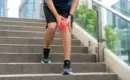
Meniscus tear symptoms can include pain or tenderness along the inner or outer joint line, swelling that develops over several hours or days, difficulty bending or straightening the knee, and a catching or clicking sensation. Twisting, squatting, and climbing stairs may aggravate the pain.
These symptoms can be grouped into mechanical symptoms and symptoms related to pain and swelling, although neither group on its own confirms a meniscus tear.
Which Signs Point to a Mechanical Problem?
- A catch or snag when you rise from a low stool
- A knee that becomes physically stuck and cannot fully straighten (true locking)
- A sharp twinge when you turn over a planted foot
- A sensation of something shifting inside the joint
Which Signs Come From Load and Swelling?
Pain and swelling may develop gradually. You may notice tenderness along the joint line, swelling after activity, stiffness after sitting, or an ache when climbing stairs.
Pain, swelling and mechanical symptoms can occur with a meniscus tear, but they can also occur with other knee conditions. An assessment is important when symptoms persist or affect your function.
Could It Be Something Else?
Several knee problems can cause similar symptoms, and more than one condition can affect the same knee. Degenerative meniscus changes and osteoarthritis, for example, may coexist, particularly in older adults.
Ligament Sprain
A ligament injury may start suddenly during a fall, tackle, or awkward landing. You may hear or feel a pop, although a pop is not specific to a ligament injury. Pain may be felt deep in the knee or along its inner or outer side. Swelling, buckling, and a feeling of instability can occur, depending on which ligament is injured.
Kneecap Pain (Patellofemoral Pain)
Kneecap pain builds gradually. It often follows more stairs, more running, or long hours of sitting.
The ache sits at the front, around or behind the kneecap. It worsens on stairs and squats, and after a long meeting. The knee rarely locks.
Pain around the kneecap can also be associated with conditions such as runner’s knee and knee arthritis, which may cause discomfort during activities such as walking, climbing stairs or exercising. Understanding the differences between these conditions can help identify the possible source of knee pain.
Cartilage Wear (Osteoarthritis)
Osteoarthritis is a condition involving changes to the whole joint, including the cartilage and underlying bone. It often develops gradually over months or years and is more common with increasing age.
One or both knees may be affected, with pain, stiffness, and sometimes a grinding or crunching sensation during movement. Morning stiffness often eases within about 30 minutes, but this pattern alone does not confirm osteoarthritis.
Meniscus Tear
A meniscus tear often follows a twist on a planted foot. In older knees, it can appear without any clear moment of injury.
Pain or tenderness may occur along the inner or outer joint line. The knee may catch or click, and some tears can cause true locking. Swelling may develop over several hours or days.
Although knee pain, swelling and stiffness are common signs of a meniscus tear, these symptoms can also occur with different types of knee injuries, including ligament injuries, tendon problems and kneecap-related conditions. A proper assessment helps identify the underlying cause and guide appropriate treatment.”
How to Read the Differences
Three questions help you spot the pattern:
When did it start?
A sudden injury may suggest a ligament or meniscus injury, while gradually developing pain may be associated with osteoarthritis or patellofemoral pain. The onset alone cannot identify the cause.
Where does it sit?
Pain around or behind the kneecap may suggest patellofemoral pain. Joint-line tenderness can occur with a meniscus tear, but it is not specific to one.
What does the knee do?
Bucklingcan occur with ligament injuries and other knee problems. Catching or true locking can occur with a meniscus tear, but symptoms must be interpreted alongside an examination.
Why Sorting This Out Matters
Each problem needs a different rehabilitation plan. Ligament injuries often require progressive strength and stability work. Patellofemoral pain is commonly managed with knee- and hip-focused exercise. Meniscus rehabilitation uses graded loading based on symptoms, tear characteristics and functional goals.
A physiotherapist uses your injury history and physical examination, including relevant knee tests, to assess the likelihood of a meniscus tear. MRI is the preferred imaging test for diagnosing an acute meniscus tear when imaging is indicated. It may be considered alongside the clinical findings and whether the result would change management.
When Should You Stop Waiting and Get It Checked?
Some symptoms need urgent medical assessment. Others warrant an appointment if they persist or interfere with daily activities.
Get Checked Soon If:
- Your knee physically locks, and you cannot fully straighten it
- You cannot bear weight on your affected leg
- The knee swells quickly after an injury
- The knee repeatedly gives way or looks out of shape
These signs may indicate a significant meniscus or ligament injury, a fracture, or another serious condition. A visibly deformed knee needs emergency assessment.
After a significant fall or impact, seek prompt medical assessment, particularly if you cannot bear weight, the knee is very swollen, or it looks deformed. Physiotherapy can be started when it is clinically appropriate and serious injury has been assessed.
When to get checked?
If catching, clicking, or swelling persists, it is best to arrange an assessment.
Reducing aggravating activities for a short period may help settle symptoms. However, symptom improvement does not necessarily mean the tear has healed, and symptoms may return when activity increases.
What Is the Meniscus Tear Recovery Time Without Surgery?
Meniscus tear recovery time depends on tear size, location, and your age. Small, stable tears and degenerative tears often improve over about 6 to 12 weeks of structured rehabilitation. Larger tears, or a return to pivoting sport, can take 3 to 6 months. These are broad estimates, not guaranteed healing timelines; recovery after surgery follows a different timeline.
Location matters because the outer third of the meniscus has a blood supply, while the inner two-thirds have very little little supply. Some tears in the outer region have greater healing potential, but healing also depends on the tear pattern and other factors. Tears in the inner region are less likely to heal on their own, although symptoms may improve with rehabilitation even if the tear itself does not fully heal.
Several things stretch the timeline: a large or complex tear pattern, existing knee osteoarthritis, a physically demanding job, and a sport that pivots. Here is what the weeks tend to feel like.
Days 1 to 14 (acute phase, pain relief):
The knee may be swollen and movement may feel guarded. Early goals often include managing swelling, maintaining comfortable movement and activating the quadriceps, which can become inhibited when the knee is swollen.
Weeks 2 to 6 (subacute phase, restoring range):
Knee bending and straightening may improve, and stairs may become easier. Continue progressing the rehabilitation plan even when daily activities feel more comfortable.
Weeks 6 to 12 (recovery phase, strength and prevention):
Rehabilitation may progress to single-leg strength, balance and landing-control exercises. Deeper squats and changes of direction should be reintroduced gradually, according to symptoms and functional readiness.
After 3 months:
Running and pivoting sports such as badminton and futsal should be reintroduced progressively when pain, swelling, strength, movement and sport-specific function allow. The timeline varies; larger or more complex tears may take longer.
Rest alone may not restore knee strength or function. Prolonged inactivity can contribute to muscle weakness, so a progressive strengthening programme is usually important during recovery.
Does Meniscus Tear Treatment Without Surgery Work?
For many people, yes. Meniscus tear treatment without surgery works best when the knee is stable, the tear is small or age-related, and strength is rebuilt in stages. The best approach depends on the tear, symptoms, examination findings and individual goals; a physiotherapist can assess function and advise whether medical or orthopaedic review is also needed.
Which Knees Tend to Respond Well?
A knee is more likely to settle with rehabilitation when:
- The tear is small or degenerative
- The knee bends and straightens fully, even if it is sore
- Swelling eases within the first couple of weeks
- You can commit to regular strengthening over a few months
How Will You Know It Is Working?
Look for changes in daily activities alongside pain levels.For example, stairs may feel easier, the knee may be less swollen after a long walk, and you may be able to rise from a low stool more comfortably.
Progress also shows in how the knee responds under a heavier day, such as a full day on your feet.If symptoms remain manageable and return to their usual level by the next day, the increase may have been tolerated. This is a useful guide, but it does not prove that load is being distributed normally.
What Does Meniscus Tear Physiotherapy Involve?
Meniscus tear physiotherapy usually combines these elements:
- Quadriceps and hip strengthening, including the gluteus medius, the hip muscle that steadies your knee over your foot
- Range-of-motion work for bend and straightening
- Balance and landing drills
- A graded return to the activity you want back
Exercises should match your symptoms, tear characteristics and stage of rehabilitation. Deep squats, twisting movements and kneeling may need to be modified or temporarily limited if they aggravate symptoms.
Physiotherapy for a meniscus tear focuses on reducing pain, improving knee mobility and rebuilding strength through a structured rehabilitation programme. Depending on the severity of the injury, meniscus injury physiotherapy may include targeted strengthening exercises, mobility training and functional rehabilitation to support a safe return to daily activities.
When Should the Plan Change?
Tell your physiotherapist if the knee keeps locking, if catching persists despite an appropriate rehabilitation programme, or if swelling returns each time you increase the load. These findings may warrant medical or orthopaedic review. Rehabilitation may be useful whether treatment remains non-surgical or surgery is recommended.
What Should You Do Now If You Suspect a Meniscus Injury?
Use the handrail on stairs and avoid movements that clearly aggravate your symptoms. If you sit for long periods, change position and move your knee comfortably from time to time. Note when catching or swelling occurs and what activity preceded it; this information can help your clinician understand your symptoms.
Rapid Physiocare’s physiotherapists bring clinical experience in Singapore, and every knee is assessed individually. You can read about meniscus tear treatment on our service page or book a knee assessment at the nearest clinic. Early assessment can help clarify the cause of your symptoms and guide an appropriate treatment plan.
Frequently Asked Questions
Can You Walk With a Torn Meniscus?
Many people can still walk with a small meniscus tear, sometimes with a limp. A knee that locks, buckles, or cannot bear your weight should be assessed promptly.
Do You Need an MRI Before Starting Physiotherapy?
Not everyone needs an MRI before starting physiotherapy. A clinical assessment can identify features that suggest a meniscus tear, but it cannot always confirm the diagnosis. MRI is the preferred imaging test for an acute meniscus tear when imaging is indicated, particularly if the result may affect treatment decisions. Your physiotherapy will be able to advise further if you need to get an MRI scan.
Will a Meniscus Tear Heal on Its Own?
It depends on the tear’s location. Tears in the outer, better-vascularised region have greater healing potential, while tears in the inner region are less likely to heal on their own. Symptoms can still improve with guided rehabilitation.
Is It Safe to Squat With a Meniscus Tear?
Deep squats may aggravate symptoms, particularly in the early weeks. A half squat within a pain-free range is usually tolerated sooner.
Can You Run or Play With a Meniscus Tear?
Walking and cycling may be reintroduced as symptoms allow. Pivoting sports such as badminton and futsal generally require a later, graded return once strength, balance, range of motion and sport-specific function have been assessed.
How Long Should You Rest a Torn Meniscus?
Reduce or modify aggravating activities for the first few days while pain and swelling settle, then gradually reintroduce movement and strengthening as tolerated. Prolonged inactivity can contribute to muscle weakness and may delay functional recovery.
Can a Meniscus Tear Lead to Arthritis?
Meniscus damage is associated with a higher risk of knee osteoarthritis over time because load travels differently through the joint. Strength and movement control exercises support the knee, though no programme can guarantee prevention.