
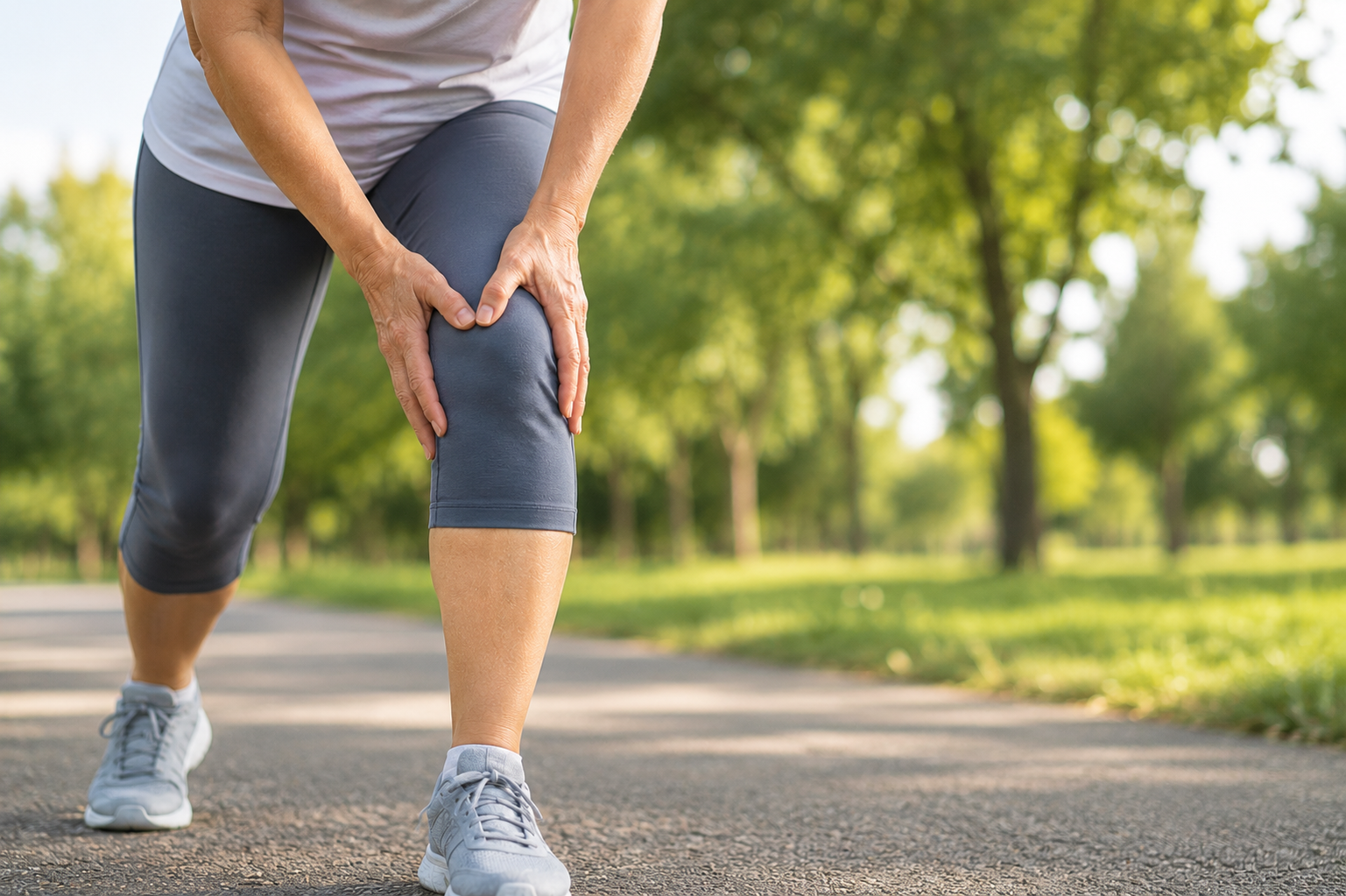
How to Prevent Osteoarthritis: Daily Habits, Exercise, and Joint Protection Tips
What Is Osteoarthritis Prevention?
Osteoarthritis prevention focuses on protecting the joints before significant cartilage damage develops. Osteoarthritis occurs when the cartilage cushioning the joints gradually wears down, increasing friction between bones and leading to stiffness, swelling, and pain during movement.
Many people believe joint degeneration is an unavoidable part of aging. In reality, daily movement habits, muscle strength, posture, body weight, and physical activity levels all influence how quickly joint wear progresses. Early prevention strategies can significantly reduce stress on the knees, hips, spine, shoulders, and hands.
For a deeper understanding of joint degeneration, symptoms, and treatment options, read our guide on osteoarthritis causes, symptoms, and physiotherapy treatment.
Why Does Osteoarthritis Develop Over Time?
Osteoarthritis develops gradually rather than suddenly. Most cases occur due to repetitive mechanical stress combined with reduced joint support from surrounding muscles. Several contributing factors increase the risk of joint degeneration:
- Previous joint injuries
- Poor posture and spinal alignment
- Weak supporting muscles
- Excess body weight
- Sedentary lifestyle
- Repetitive high-impact activity
- Reduced joint mobility
The joints most commonly affected include the knees, hips, lower back, neck, shoulders, and fingers. In Singapore, prolonged desk work and reduced physical activity are major contributors to early cartilage wear, particularly in the spine and knee joints.
When muscles fail to absorb movement forces effectively, the joint cartilage absorbs the load instead. Over time, this repeated stress accelerates cartilage breakdown.
Which Daily Habits Increase Osteoarthritis Risk?
Many daily routines unknowingly place excessive stress on the joints. Small mechanical problems repeated for years eventually create structural changes within the joint surfaces. Common lifestyle factors that increase the risk of osteoarthritis include:
- Sitting for prolonged hours without movement
- Poor workstation ergonomics
- Lack of regular strengthening exercise
- Repetitive bending or squatting
- Wearing unsupportive footwear
- Sudden increases in exercise intensity
Long periods of inactivity are particularly harmful. Joint cartilage depends on movement for nutrition and lubrication. Without regular movement, the joints become stiffer and less resilient.
A common example involves office workers who remain seated for long periods, then suddenly participate in intense weekend exercise. The muscles are often unprepared for the sudden load, increasing stress on the joints.
How Does Exercise Help Prevent Osteoarthritis?
Regular exercise is one of the most effective ways to support joint health and reduce the risk of osteoarthritis progression. Movement improves circulation to joint tissues and stimulates the production of synovial fluid, which lubricates the joints naturally. Exercise also strengthens muscles that protect cartilage from excessive loading.
The benefits of exercise for osteoarthritis prevention include:
- Reduced joint compression
- Improved flexibility and mobility
- Better balance and coordination
- Increased muscular support around joints
- Reduced stiffness after inactivity
Importantly, the right type of exercise matters. Excessively aggressive or poorly controlled exercise may worsen joint irritation rather than protect against it. Low-impact, progressive movement is usually the safest long-term strategy.
What Are the Best Exercises For Osteoarthritis Prevention?
The best exercise program combines strengthening, mobility work, and cardiovascular conditioning.
Strengthening Exercises
Muscle weakness increases pressure on the joints. Strengthening exercises help distribute movement forces more evenly. Helpful exercises include:
- Quadriceps strengthening
- Glute bridges
- Calf raises
- Step-up exercises
- Core stability exercises
Strong hip and thigh muscles are particularly important for reducing knee joint stress. Patients experiencing knee discomfort during movement may also benefit from reading our blog on How to Prevent Knee Injury.
Mobility and Flexibility Exercises
Restricted mobility changes movement mechanics and increases abnormal joint loading. Effective mobility exercises include:
- Gentle spinal rotations
- Hip mobility drills
- Shoulder mobility exercises
- Hamstring stretching
- Thoracic spine mobility exercises
Mobility training improves joint range while reducing compensatory movement patterns.
Low-Impact Cardiovascular Exercise
Low-impact activities improve circulation and joint nutrition without excessive compressive force. Recommended options include:
- Walking
- Swimming
- Cycling
- Elliptical training
- Water-based exercise
Swimming is especially useful because buoyancy reduces joint loading while allowing full-body movement.
How Does Body Weight Affect Osteoarthritis?
Body weight significantly influences joint degeneration, especially in weight-bearing joints such as the knees, hips, and spine.
During walking, the knee joint experiences forces approximately two to three times body weight. During stair climbing, the load increases even further. Excess body weight, therefore, places substantial repetitive stress on cartilage. Maintaining a healthy weight helps:
- Reduce joint compression
- Improve mobility
- Decrease inflammation
- Lower stress on cartilage surfaces
- Improve exercise tolerance
Even modest weight reduction can produce meaningful improvements in joint comfort and movement efficiency.
Can Posture and Ergonomics Prevent Joint Damage?
Yes. Posture directly affects how force is distributed across the joints. Poor posture creates uneven mechanical loading, increasing stress on cartilage, ligaments, and surrounding muscles. Forward head posture, rounded shoulders, and poor sitting mechanics commonly contribute to spinal and shoulder degeneration.
Helpful ergonomic strategies include:
- Positioning screens at eye level
- Supporting the lower back during sitting
- Keeping feet flat on the floor
- Avoiding prolonged static positions
- Taking movement breaks every 30 to 45 minutes
Posture correction is particularly important for people working long hours at desks in Singapore’s office environment. You may also find our complete guide to Spine Health helpful for understanding how posture affects spinal joints.
How Can Physiotherapy Help Prevent Osteoarthritis?
Preventive osteoarthritis physiotherapy focuses on identifying mechanical stress before major joint degeneration develops.
A physiotherapist evaluates:
- Joint mobility
- Muscle strength
- Walking mechanics
- Posture
- Movement coordination
- Balance and stability
Early physiotherapy intervention may include:
- Manual therapy
- Myofascial release (hands-on treatment to reduce muscle tightness)
- Strengthening exercises
- Movement retraining
- Postural correction
- Joint mobility exercises
This approach improves movement efficiency and reduces abnormal joint loading patterns. Physiotherapy also helps patients build sustainable long-term exercise routines that protect the joints safely.
Which Early Warning Signs Should Not Be Ignored?
Early osteoarthritis symptoms are often subtle. Many people dismiss them until pain becomes persistent. Watch for these warning signs:
- Morning joint stiffness
- Clicking or grinding sensations
- Joint discomfort after activity
- Swelling around the joint
- Reduced flexibility
- Pain while climbing stairs
- Difficulty standing after prolonged sitting
Persistent symptoms suggest the joint may already be under excessive mechanical stress. Early intervention often slows progression significantly and reduces the likelihood of chronic pain.
What Daily Joint Protection Tips Help Long-Term?
Protecting the joints requires consistency rather than extreme measures. Effective joint protection tips include:
- Maintain regular physical activity
- Avoid prolonged sitting
- Use supportive footwear
- Warm up before exercise
- Increase exercise intensity gradually
- Strengthen supporting muscles
- Maintain a healthy posture
- Avoid repetitive high-impact loading
Small adjustments performed consistently create long-term protective effects for the joints. One of the most overlooked strategies is movement variety. Repeating the same movement patterns daily places stress on the same joint surfaces repeatedly. Changing positions and varying activities help distribute the load more evenly.
Can Osteoarthritis Be Prevented Completely?
Osteoarthritis cannot always be prevented entirely because ageing and genetics also influence cartilage health. However, progression can often be slowed substantially with early intervention and proper joint care. Many people maintain healthy, active joints for decades by combining:
- Regular exercise
- Strength training
- Weight management
- Posture correction
- Early physiotherapy care
- Consistent movement habits
The earlier these habits begin, the greater the protective effect. Prevention is far more effective than attempting to restore function after significant cartilage loss has already occurred.
When Should You Seek Physiotherapy Advice?
Consider physiotherapy assessment if you experience:
- Recurrent joint pain
- Persistent stiffness
- Reduced mobility
- Pain during walking or exercise
- Joint swelling after activity
- Difficulty performing daily tasks
Waiting until pain becomes severe often prolongs recovery time. Physiotherapy provides structured strategies to improve movement quality, reduce joint stress, and support long-term mobility before degeneration worsens.
Final Thought
Healthy joints depend on movement, strength, and mechanical balance. Osteoarthritis develops gradually over the years, but so does joint protection. Daily habits, posture, exercise, and early physiotherapy intervention all influence how well your joints function over time.
Small preventive changes made today can preserve mobility, reduce pain, and support long-term independence in the future. If joint stiffness, reduced mobility, or movement-related discomfort is beginning to affect your daily life, early physiotherapy assessment can help identify the underlying mechanical causes before symptoms progress further.
Book a consultation at Rapid Physiocare
Frequently Asked Questions
Can osteoarthritis be prevented naturally?
While osteoarthritis cannot always be fully prevented, regular exercise, weight management, posture correction, and joint protection strategies significantly reduce the risk of progression and chronic joint pain.
What is the best exercise for osteoarthritis prevention?
Low-impact strengthening and mobility exercises are most effective. Walking, swimming, cycling, glute strengthening, and quadriceps exercises help protect the joints while improving stability and movement efficiency.
Does walking help prevent osteoarthritis?
Yes. Walking improves circulation, supports joint lubrication, and strengthens muscles around the joints. However, proper footwear and walking mechanics are important to avoid excessive joint stress.
Can poor posture cause osteoarthritis?
Poor posture increases abnormal joint loading over time. Forward head posture, spinal misalignment, and uneven weight distribution may accelerate cartilage wear, particularly in the neck, spine, and hips.
How does body weight affect joint health?
Excess body weight increases compressive force on weight-bearing joints such as the knees and hips. Maintaining a healthy weight reduces stress on cartilage and improves long-term joint function.
Is physiotherapy effective for osteoarthritis prevention?
Yes. Physiotherapy improves biomechanics, posture, muscle activation, and joint mobility. Early physiotherapy intervention can reduce abnormal joint stress and slow osteoarthritis progression.
What are the first signs of osteoarthritis?
Early symptoms commonly include morning stiffness, joint clicking, reduced flexibility, swelling after activity, and discomfort during movement or prolonged sitting.
When should I seek treatment for joint stiffness?
Seek physiotherapy assessment if stiffness persists regularly, affects movement, or causes discomfort during daily activities. Early treatment generally produces better long-term outcomes.
Tags : knee injury prevention, knee pain physiotherapy