
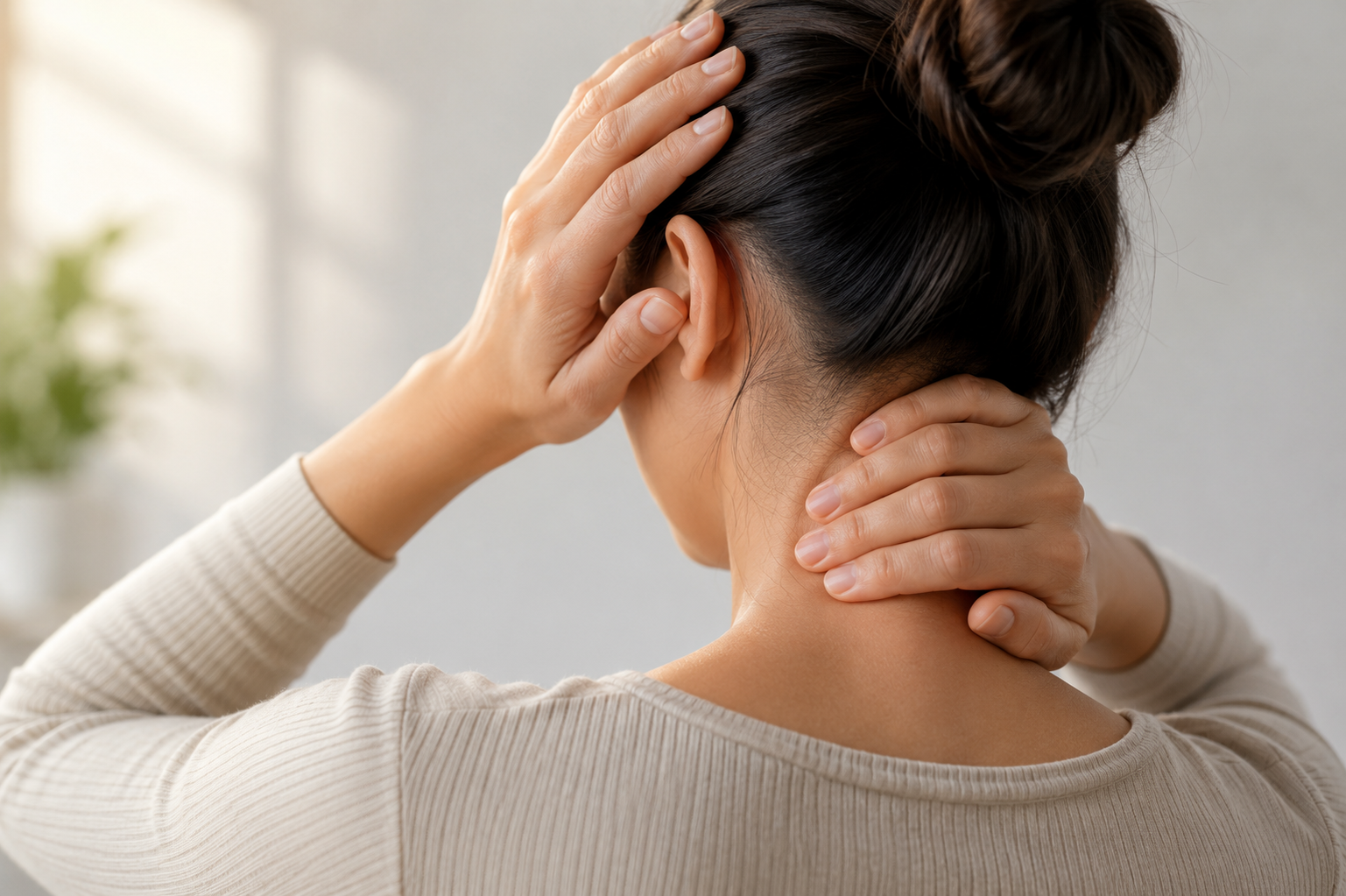
Neck Pain and Headaches: Are They Connected?
A headache can ruin your day, especially when it keeps coming back without an obvious reason. Many assume headaches are caused by stress, dehydration, or lack of sleep. While these are common triggers, they are not the only possibilities.
If your headache often comes with a stiff or aching neck, the two symptoms may be more closely related than you realise. In many cases, neck pain and headaches occur together because the muscles, joints, and nerves in the neck can refer pain to the head.
Whether you spend long hours working at a desk, frequently look down at your phone, or have recently experienced a neck injury, understanding this connection can help you find the right treatment and prevent symptoms from returning.
In this article, we’ll explore how neck pain and headaches are connected, the common causes, warning signs to look out for, and what you can do to relieve your symptoms.
How are neck pain and headaches connected?
Although headaches are felt in the head, the source of the pain is not always located there. The upper part of your neck, known as the cervical spine, contains joints, muscles, ligaments, and nerves that share nerve pathways with the head. When these structures become irritated, pain signals can travel from the neck to the head, causing what feels like a headache.
This explains why many people experience neck pain and headaches at the same time. Rather than treating the headache alone, it’s often important to identify and manage the underlying neck problem.
For some people, the neck pain develops first before the headache begins. Others notice both symptoms appearing together, particularly after sitting for long periods or waking up in the morning.
What causes neck pain and headaches?
There isn’t just one reason why neck pain and headaches occur. Everyday habits and medical conditions can contribute to the problem.
Can poor posture trigger headaches?
Yes. Poor posture is one of the leading causes of neck pain and headaches, particularly among office workers and students.
When your head leans forward while using a computer or mobile phone, the muscles in your neck have to work much harder to support its weight. Over time, these muscles become fatigued, while the joints and ligaments experience additional strain. This can lead to discomfort that gradually spreads from the neck to the head.
 Common postural habits include:
- Sitting with rounded shoulders
- Looking down at a mobile phone for extended periods
- Working at a poorly adjusted desk
- Driving long distances without proper head support
Making small ergonomic adjustments and changing positions regularly can significantly reduce the strain placed on your neck.
Can muscle tension lead to headaches?
Absolutely. Emotional stress, long working hours, and even poor sleeping positions can cause the muscles around the neck and shoulders to tighten.
As these muscles become tense, they may restrict normal movement and place pressure on surrounding tissues. This often results in aching at the base of the skull, which can gradually develop into a headache.
People experiencing muscle-related neck pain and headaches commonly describe:
- Tightness across the shoulders
- Pain at the back of the neck
- Headaches that worsen towards the end of the day
- Temporary relief after stretching or massage
While occasional muscle tension is common, persistent symptoms may benefit from assessment and treatment.
Can a neck injury cause headaches?
Yes. Injuries such as whiplash from a car accident, sporting injuries, or falls can affect the muscles, ligaments, and joints of the neck.
Even after the initial injury has healed, some people continue to experience stiffness, reduced mobility, and recurring headaches. Scar tissue, joint irritation, or muscle weakness may all contribute to ongoing symptoms.
If your headaches began after an accident or trauma, it’s important to seek professional advice rather than assuming they will resolve on their own.
Could arthritis or age-related changes be responsible?
As we get older, the joints and discs in the cervical spine naturally undergo wear and tear. Conditions such as cervical spondylosis may reduce flexibility and irritate nearby nerves or joints.
Not everyone with age-related changes develops symptoms, but for some individuals, these changes contribute to ongoing neck pain and headaches, especially after prolonged sitting or certain neck movements.
What does a neck-related headache feel like?
Not every headache is caused by the neck, but certain symptoms can suggest a neck-related source.
Unlike migraines, which often involve nausea or sensitivity to light, headaches originating from the neck usually develop alongside neck discomfort or restricted movement.
You may notice:
- Pain beginning in the neck before spreading to the head
- Headaches affecting one side of the head
- Pain at the base of the skull
- Neck stiffness
- Difficulty turning your head fully
- Symptoms that worsen after sitting or looking down for long periods
Recognizing these patterns can help healthcare professionals determine whether your headache is related to the cervical spine.
Is it possible to have headaches even if the neck pain is mild?
Yes. Some people experience only slight neck stiffness while the headache itself becomes the most noticeable symptom.
This happens because the nerves in the upper neck communicate with areas that process pain from the head. As a result, even mild irritation within the neck may be perceived as a significant headache.
This is one reason why headaches can sometimes persist even when the neck discomfort seems relatively minor.
Could it be a cervicogenic headache?
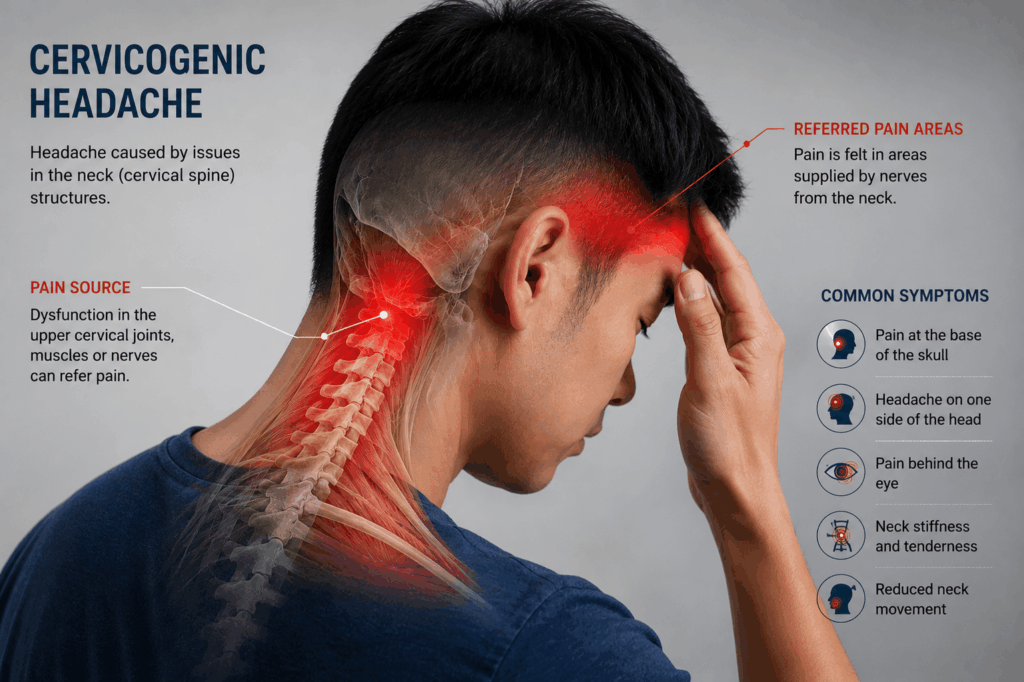
One specific type of headache that originates from the neck is known as a cervicogenic headache. It develops because of dysfunction within the cervical spine rather than conditions affecting the brain itself.
People with cervicogenic headaches often experience pain that starts in the neck and radiates towards the forehead, temple, or behind one eye. The headache may also worsen when turning the head or maintaining one position for too long.
According to the International Headache Society (HIS), cervicogenic headache is recognised as a secondary headache caused by disorders affecting the cervical spine and its surrounding structures.
When should you seek professional help?
Most headaches improve with rest, hydration, or simple self-care measures. However, recurring neck pain and headaches should not be ignored, especially if they begin affecting your daily activities.
Consider seeking professional advice if:
- Your headaches become more frequent or severe.
- Symptoms continue for several weeks.
- Pain follows an accident or injury.
- You develop numbness, tingling, or weakness in your arms.
- Your headache wakes you from sleep.
- You experience fever, confusion, or sudden severe pain.
Early assessment allows the underlying cause to be identified and treated before symptoms become chronic.
How are neck pain and headaches diagnosed?
A healthcare professional will usually begin by asking about your symptoms, lifestyle, and medical history. Understanding when the pain occurs, what makes it worse, and how long it lasts provides valuable clues.
A physical examination may include assessing:
- Neck movement and flexibility
- Muscle strength
- Joint mobility
- Posture
- Areas of tenderness
- The pattern of your headache
Imaging such as X-rays or MRI scans is not always necessary. They are generally recommended only when there are concerns about significant injury or more serious medical conditions.
What treatments can help relieve neck pain and headaches?
The most effective treatment depends on the underlying cause. Fortunately, many people improve with conservative care.
Physiotherapy
Physiotherapy aims to treat the source of the problem rather than simply relieving symptoms. Depending on your condition, treatment may include manual therapy, targeted exercises, posture correction, and advice on modifying daily activities.
Improving neck strength and mobility often reduces the frequency and intensity of headaches over time.
Exercise and movement
Gentle movement is usually more beneficial than prolonged rest. Exercises that strengthen the neck, shoulders, and upper back help improve support for the cervical spine while reducing muscle tension.
Your physiotherapist may also recommend stretches to restore flexibility and improve posture.
Ergonomic changes
Many episodes of neck pain and headaches are linked to prolonged sitting. Simple adjustments can make a noticeable difference, including:
- Positioning your monitor at eye level
- Sitting with your feet flat on the floor
- Keeping your shoulders relaxed
- Taking regular movement breaks throughout the day
These small changes help reduce unnecessary strain on the neck.
Can neck pain and headaches be prevented?
Although not every headache can be avoided, healthy daily habits can reduce your risk of developing neck-related symptoms.
Some simple ways to protect your neck include:
- Maintaining good posture during work and study
- Staying physically active
- Taking breaks from screens every 30 to 60 minutes
- Using a supportive pillow
- Performing regular neck and upper back exercises
- Managing stress through relaxation or regular exercise
Building these habits into your daily routine can help keep your neck healthy and reduce recurring headaches. You can explore our detailed guide on Neck Pain Prevention: Simple and Practical Tips You Should Know for prevention tips.
Final thoughts
Experiencing neck pain and headaches together is more common than many people realise. While headaches are often blamed on stress or fatigue, the true source of the problem may lie within the neck.
Poor posture, muscle tension, injuries, and age-related changes can all contribute to headaches that originate from the cervical spine. Identifying the underlying cause is the first step towards effective treatment and long-term relief.
If your symptoms keep returning or begin affecting your work, sleep, or daily activities, seeking a professional assessment can help determine whether your neck is contributing to your headaches and what treatment options are most appropriate.
Frequently Asked Questions
Can neck pain really cause headaches?
Yes. Problems with the muscles, joints, or nerves in the neck can refer pain to the head, causing neck-related headaches.
How can I tell if my headache is coming from my neck?
If your headache starts with neck pain or stiffness and worsens with neck movement, it may be coming from your neck.
What is the difference between a cervicogenic headache and a migraine?
A cervicogenic headache originates from the neck, while a migraine is a neurological condition with symptoms like nausea and light sensitivity.
Can poor posture cause both neck pain and headaches?
Yes. Poor posture places extra strain on the neck, which can lead to muscle tension and recurring headaches over time.
Will neck pain and headaches go away on their own?
Mild symptoms may improve with rest and posture changes, but persistent or recurring pain should be professionally assessed.
Is physiotherapy effective for neck pain and headaches?
Yes. Physiotherapy can improve neck mobility, reduce muscle tension, and address the underlying cause of neck-related headaches.
When should I seek medical help for neck pain and headaches?
Seek medical attention if your symptoms are severe, follow an injury, or are accompanied by weakness, numbness, fever, or vision changes.
Can sleeping position affect neck pain and headaches?
Yes. Sleeping with poor neck support or an unsuitable pillow can strain the neck and contribute to morning headaches.