
TMJ Prevention Tips: Protecting Your Jaw from Pain and Dysfunction
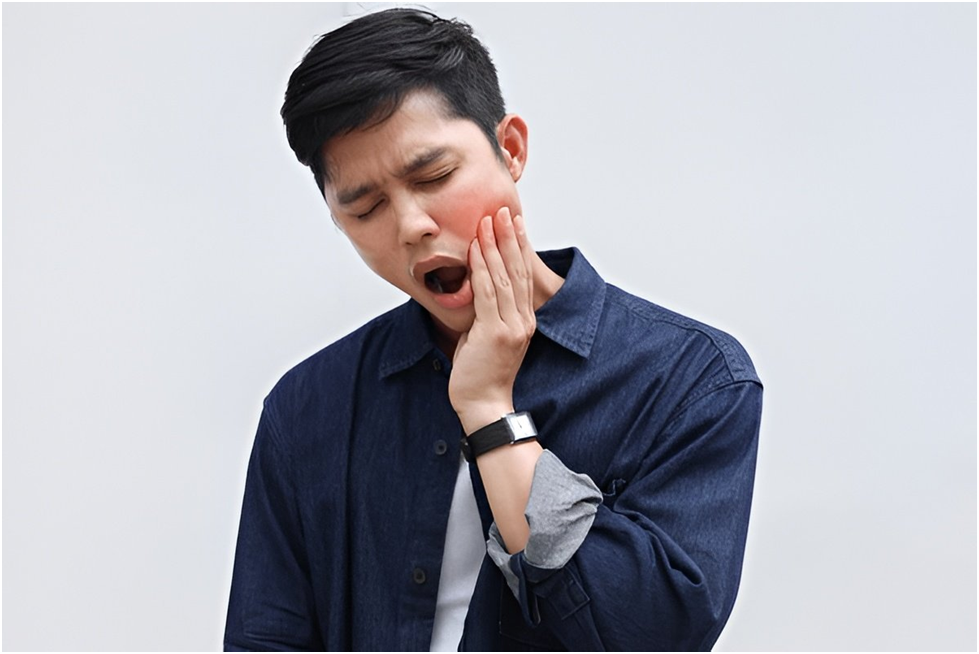
You notice it first thing in the morning. Your jaw feels tight, almost locked, before the day has even started. Or perhaps it clicks each time you open your mouth wide, and lately, the headaches that follow are harder to ignore. These are not coincidences. They are signals, and catching them early is the difference between a simple habit adjustment and months of rehabilitation.
TMJ prevention tips are not complicated. But they do require consistency, and they begin with understanding how the temporomandibular joint gets overloaded in the first place. The good news: most of the risk factors are within your control. Many cases of jaw pain and TMJ disorder develop gradually through daily habits, muscle tension, and postural patterns that accumulate over time. Addressing these factors early is how you prevent jaw pain and how to avoid TMJ pain before symptoms take hold.
Understanding Why TMJ Disorders Develop
The temporomandibular joint opens, closes, and absorbs the load of chewing and speaking hundreds of times each day. When overworked or under prolonged, sustained pressure, the surrounding structures begin to break down.
Chronic muscle tension, bite misalignment, and postural strain from the neck and upper spine are the most common contributors. Understanding this jaw-neck connection is the foundation of effective TMJ prevention tips and the first step to preventing temporomandibular joint disorder.
Common Habits That Can Lead to TMJ Problems
Knowing how to prevent TMJ disorder begins with recognising which everyday behaviours place the jaw joint and its surrounding muscles under excessive load.
- Teeth Grinding (Bruxism): Knowing how to stop teeth grinding starts with spotting morning jaw fatigue and worn enamel as early signals.
- Jaw Clenching During Stress: Sustained jaw clenching overloads the TMJ gradually. Knowing how to stop jaw clenching starts here.
- Poor Posture (Forward Head Position): Forward head posture tightens suboccipital muscles, requiring TMJ posture correction at the source.
- Excessive Chewing (Gum or Hard Foods): Prolonged gum chewing and hard foods fatigue the jaw joint and surrounding musculature.
- Nail Biting and Jaw Overuse: Nail biting and jaw resting habits create asymmetrical TMJ pressure and muscular imbalance.
Best TMJ Prevention Tips for Everyday Life
These are the practical TMJ prevention tips, daily habits that reduce your risk over the long term. None requires special equipment. All are evidence-informed and grounded in physiotherapy practice.
- Maintain Good Posture: Align ears over shoulders and the screen at eye level. A posture check every 30 minutes reduces jaw and neck strain.
- Avoid Excessive Jaw Movements: Limit wide yawning and oversized bites. Place your hand under your chin during yawns to prevent jaw clicking.
- Manage Stress to Reduce Jaw Clenching: Check in with your jaw during stressful moments. Diaphragmatic breathing and regular activity reduce clenching.
- Choose Softer Foods When Experiencing Jaw Tension: Favour cooked vegetables, fish, and eggs to prevent jaw tension. This reduces joint load without requiring a full dietary change.
- Keep Teeth Slightly Apart When Resting: Rest with teeth slightly apart, tongue on the roof of your mouth. This prevents low-grade clenching throughout the day.
Simple TMJ Exercises to Relax the Jaw
The following TMJ jaw exercises are based on physiotherapy principles for jaw rehabilitation and prevention. Perform them slowly, gently, and without forcing. Stop if any exercise causes pain or discomfort and consult a physiotherapist before continuing.
- Controlled Jaw Opening Exercise: Tongue on the roof of your mouth, open slowly and hold for three seconds. Repeat six to eight times to train jaw alignment.
- Chin Tuck Exercise: Draw your chin straight back and hold for five seconds. Perform eight to ten reps daily to reduce neck and jaw strain.
- Jaw Relaxation Exercise: Place your tongue on the roof of your mouth, drop the jaw gently, and hold for 60 seconds to prevent jaw stiffness.
- Neck Stretching Exercises: Tilt each ear toward the shoulder and hold for 30 seconds each side. These TMJ prevention exercises at home reduce cervical load on the jaw.
Workstation and Posture Tips to Prevent TMJ
Position your monitor at eye level and keep your keyboard close enough that your shoulders remain relaxed. Use a headset for calls longer than a few minutes to avoid sustained neck rotation. Ensure your feet rest flat on the floor with hips and knees at 90 degrees. Take a break every 45 minutes, perform a chin tuck for TMJ posture correction, and continue.
Poor posture – especially forward head position can significantly increase strain on the jaw joint and surrounding muscles. Addressing these postural habits through posture correction physiotherapy at Rapid Physiocare can help reduce TMJ-related stress and prevent recurring symptoms.
Sleep Habits That Help Prevent TMJ
What happens during the hours you are not awake plays a significant role in jaw health. Addressing sleep position and support is part of how to prevent TMJ while sleeping.
- Pillow Support: Choose a pillow that keeps your head neutral and aligned with your cervical spine. Too thick or too flat both increase overnight jaw-muscle tension.
- Sleeping Position: Side sleeping with full neck support is preferable to stomach sleeping, which compresses the jaw and neck into a rotated position for hours.
- Night Guards for Teeth Grinding: A custom-fitted night guard distributes grinding forces away from the joint. Pair it with physiotherapy to address the underlying muscle tension.
Early Warning Signs
Recognising early symptoms gives you the best opportunity to address them before they worsen.
- A clicking or popping sound when opening or closing the jaw
- A sensation of jaw stiffness or restricted mouth opening, particularly in the morning
- Facial aching around the cheeks, temples, or just in front of the ear
- Headaches concentrated at the temples or the base of the skull
- Ear discomfort or a sense of fullness in the ear without any sign of infection
- Neck and shoulder tension that does not resolve with standard stretching
If any of these symptoms are occurring regularly, acting on TMJ prevention tips early and seeking physiotherapy assessment is strongly advisable. The longer TMJ dysfunction is left unaddressed, the more the surrounding muscles compensate, and the broader the pattern of pain becomes. To explore the underlying causes, symptoms, and evidence-based physiotherapy management, refer to our detailed article on What Is TMJ Disorder? Causes, Symptoms & Physiotherapy Treatment in Singapore.
When to See a Physiotherapist for TMJ Pain
Self-management strategies are effective for prevention and mild symptom relief. When jaw pain persists beyond two to three weeks, when it begins to interfere with eating or sleeping, or when headaches become frequent, professional assessment is warranted.
At Rapid Physiocare, our physiotherapists assess the jaw, upper back, and neck pain as a connected system. TMJ physiotherapy treatment may include manual therapy to restore joint mobility, myofascial release (a hands-on technique targeting tight connective tissue around the jaw and neck muscles), structured postural correction, and a personalised home exercise program tailored to your specific pattern of dysfunction.
With six clinics across Singapore and 45 years of combined clinical experience, Rapid Physiocare offers accessible, expert care for those experiencing TMJ pain or looking to address symptoms before they escalate.
Protect Your Jaw Before It Needs Repairing
The habits that protect your jaw are the same habits that protect your neck, your posture, and your capacity to get through the day without discomfort. Consistent TMJ prevention tips require no special equipment and very little time. They require only attention and a willingness to address small problems before they become larger ones.
If your jaw has already started signalling discomfort, do not wait. Book a consultation with Rapid Physiocare today and act before the issue compounds.