
Why Is Elbow Pain So Common in Daily Life? And How Physiotherapy Can Prevent It.
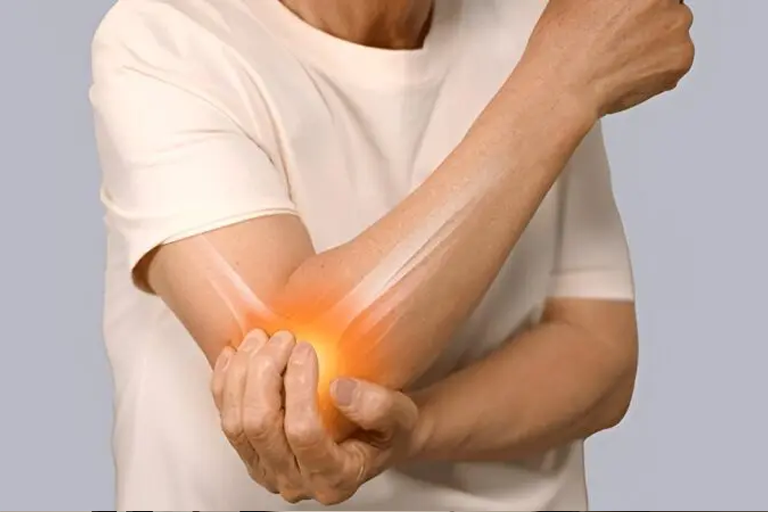
Elbow pain usually starts off relatively quietly, so you might not even notice it at first. It may present as a mild ache while lifting a bag, a sharp twinge when turning a doorknob, or lingering stiffness after a long day at the office. At Rapid Physiocare, this is a pattern we observe frequently in clinical practice. Elbow-related conditions are among the most common forms of joint and musculoskeletal pain, affecting individuals across all age groups.
This article explores why elbow pain is common in daily life, how different elbow conditions develop over time, and how elbow pain physiotherapy plays a critical role in preventing chronic damage while restoring strength, mobility, and long-term comfort.
Why elbow pain develop easily in daily activities?
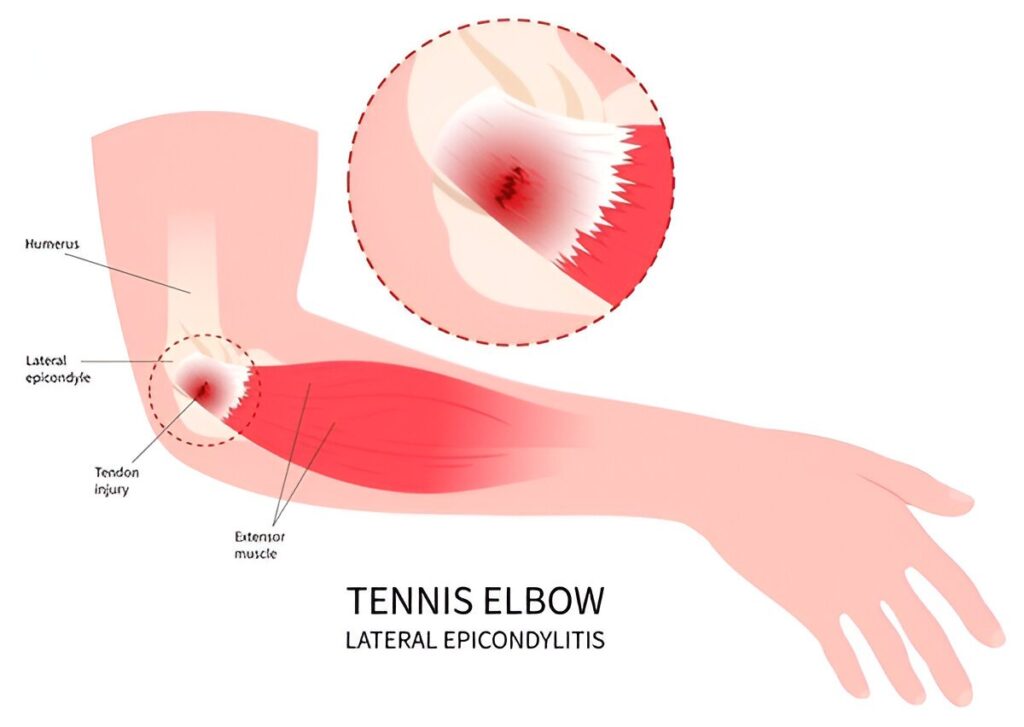
The elbow, which is made up of three bones: the humerus, radius, and ulna, is a highly complicated hinge joint. It helps you bend, straighten & rotate your arm in all sorts of ways that’s useful in your everyday life, but it easily leads to being overused.
People are doing the same thing repeatedly, be it office work or staring down at their phone for hours on end. Eventually, the tendons, nerves, and other soft tissues around the elbow start to get irritated. Before long, your elbow starts to ache each time you move.
There are several factors that increase your risk of developing elbow pain:
- Doing the same grip motion over & over
- Sitting on your bum at a desk with an awkward posture
- Shoulder or wrist problems that placed extra stress on the elbow
- Sudden participation in a new sport without progressive training
- No proper rest after injuring your elbow
Not noticing the early warning signs can lead to chronic irritation. Physiotherapy can help prevent the pain from getting worse.
Most common causes of elbow pain
Elbow pain it’s more like a warning sign that something deeper is going on. Getting to the root of the problem is what ultimately leads to proper treatment.
Tendon-related problems
Tendinopathy is the umbrella term for when your tendons get irritated or start breaking down due to constant strain. Tennis elbow is a classic example, and it doesn’t just happen to tennis players. Golfers can get it too, due to the repetitive gripping and swinging motions. When you overload the tendons in your forearm extensors results in tennis elbow. The pain is usually located on the outside of your elbow, sometimes even radiating down to your forearm.
Nerve-related issues
The cubital nerve runs through a tight little tunnel at the elbow. And if you’re bending your elbow at a funny angle or resting it on some hard surface for too long, that nerve can get compressed. It will feel like pins and needles in your ring and pinky fingers. And if you don’t address the problem, it can affect your hand’s coordination over time.
Joint and soft tissue injuries
Falls, accidents, and sports injuries can all result in a pretty nasty elbow. This includes fractures, dislocations, or a simple break. Injuries like these would need x-rays and proper medical attention as soon as possible. Even after it heals, there might be lingering stiffness and weakness, unless you get physical therapy.
How serious are elbow injuries like fractures or dislocations?
A fractured elbow or a dislocated elbow can cause serious problems with your joint alignment, cartilage health, and the way your muscles work together. Initially, you may be told to rest and immobilize it. But what often happens is that if you’re left stuck in one position for too long, you start to get stiff, your muscles begin to waste away, and circulation starts to be reduced.
When the bone has finally healed, this is highly encouraged to see seek help from a physiotherapist. They can help restore the full range of movement in your joint by strengthening your muscles. It helps protect the healing structures that make up your elbow. But if you don’t get the right kind of rehabilitation, even after the bone has healed, you can still be left with a painful and weak elbow for years to come.
Does using elbow compression help or delay recovery?
Elbow compression can help support the joint by making you more aware of how your joint is positioned; this is called proprioception. And that can help reduce swelling and give you a bit of short-term relief from the pain. However, compression alone isn’t going to sort out the underlying cause of pain and discomfort.
Relying just on elbow compression could end up putting off proper treatment. The trouble with that is that physiotherapy is more than just sorting out the immediate symptoms. It is about restoring your natural movement patterns, getting your muscle balance right, and sorting out the health of the tissues in your elbow. Compression will give you the most relief when you’re actively working on your rehabilitation, though.
How physiotherapy prevent elbow pain from becoming chronic?
Physiotherapy does more than relieve symptoms after injury. It plays a key preventive role in stopping elbow pain from becoming a long-term condition. Structured elbow pain physiotherapy management focuses on identifying mechanical overload early and correcting it before tissue damage progresses.
At Rapid Physiocare, care begins with a detailed clinical assessment of posture, joint mobility, movement patterns, and muscle activation. This process identifies why the elbow is repeatedly under strain, whether due to poor ergonomics, muscle imbalance, nerve irritation, or repetitive daily tasks. Once the cause is established, a targeted physiotherapy program is introduced to restore efficient movement, reduce tendon stress, and improve joint stability.
By addressing the source of the problem rather than masking pain, physiotherapy reduces the risk of recurrence, limits dependence on tablets, and supports long-term elbow function and comfort.
Some key things we use to prevent problems include:
Getting your muscle balance back on track
If your shoulder or wrist muscles are weak, it can make your elbow work more harder, especially with your everyday stuff. By targeting those weak muscles and building them up, it can take the strain off the elbow.
Making it easier for your muscles to move freely
We use techniques like myofascial release to help relax the tight muscles and the connective tissue that gets all knotted up. This gets the blood flowing better and makes it less likely to hurt so much.
Giving your nerves a bit of space
For people with cubital nerve issues, we teach them some exercises that can help loosen up the nerves. This can ease off the tingling and take some of the pressure off.
Figuring out your body movements
We educate people on how to adjust the way they lift things, the way they sit or even how to move their bodies when playing sports. All these little changes can make a huge difference in preventing future injuries from happening.
Seeing a physiotherapist early can make all the difference. It’s a lot easier to stop a sore elbow from becoming a chronic pain problem.
Is physiotherapy painful?
Elbow pain is a common concern and, physiotherapy shouldn’t leave you wincing all day. Some techniques may feel a bit awkward, especially when we’re trying to loosen up tight or inflamed areas. But the discomfort is not just any discomfort; it’s controlled and purposeful.
We’ll be working with you to make sure you’re not pushing yourself too far, and your treatment plan will be adjusted to fit your comfort level. We focus on gradual progress and not forcing the joint into place. Most people see a significant reduction in pain and gain a lot of confidence within a few sessions.
How long does elbow pain recovery usually take?
It’s not a one-size-fits-all and the recovery time from elbow pain really depends on what caused it in the first place and how soon you start getting some proper treatment.
- For mild tendon irritation, you can start to see some improvement in as little as a couple of weeks
- Nerve-related issues often need 4 to 8 weeks of treatment
- For a fractured elbow or a dislocated elbow, it can take at least a few months of recovery time
Consistency is key with your exercises, and make sure you attend all your scheduled sessions. People who stick to their plan tend to recover a lot faster and have fewer issues along the way.
Can home exercises really make a difference?
Yes, if they’re prescribed properly. Home exercises can really help to reinforce what we’re doing in the clinic, improve your circulation, get your flexibility back, and even build some strength.
Some common examples include:
- Gentle stretches for your wrist and forearm
- Light exercises to get your muscles building back up
- Simple postural correction drills
- Specific nerve mobility exercises to help with cubital nerve irritation
Most importantly, these are going to be tailored to your specific needs. Generic exercises you find online can probably make things worse.
You Can Book an Appointment for Home Care Physiotherapy
When should you seek professional care?


You should come in for a checkup if:
- The pain last longer than one week
- Your grip or strength is getting worse
- Numbness or tingling in your hand
- Pain worsens despite resting and trying to compress your elbow
- You’ve had some kind of traumatic event or fall
How Rapid Physiocare support long-term elbow health?
Rapid Physiocare brings a wealth of clinical experience and top-notch evidence to bear in our physiotherapy treatments. We get results by mixing and matching manual therapy, exercise therapy, and patient education, all carefully tailored to the individual. Sometimes we use additional treatment like electrotherapy to give our patients a little extra help with their pain and getting their tissues healing back.
We work with our patients to make sure ensure the treatment plan is achievable for them and get the results they want.
Take the next step toward lasting elbow comfort
Don’t let elbow pain hold you back. Whether you’re dealing with a painful elbow, recovering from a nasty elbow fracture, or spotting the early warning signs of nerve trouble, the sooner you get physiotherapy, the better off you’ll be. Timing matters, and physiotherapy can make a real, tangible difference.
FAQs
What causes a painful elbow during everyday activities?
A painful elbow is often the result of doing too much repetition movements such as typing or cooking, gripping things tightly, slouching forward or putting too much strain on those forearm muscles of yours. Activities like sports, playing music, or doing heavy manual work can take its toll on the tendons in the elbow, making the surrounding tissues sore.
Can a sore elbow heal on its own without treatment?
A sore elbow might settle down on its own if you take a break and rest, but if it persists, it’sprobably a sign that you’ve somehow irritated or damaged your tendons or nerves. If you just leave it, the symptoms are likely to come back or get a lot worse. Getting treatment early on, is the best way to get back on your feet quickly & avoid chronic elbow pain.
How long does physiotherapy take to relieve elbow pain?
Recovery timelines vary. Mild conditions may improve within a few weeks, while nerve-related or post-injury cases may take several months. Consistent physiotherapy and adherence to prescribed exercises significantly improve outcomes and reduce the risk of recurring elbow pain.
When should elbow compression be used?
Elbow compression can help to manage swelling and give your elbow a little extra support. It makes you more aware of how your elbow is working and makes things a bit more comfortable. However, it’s not going to sort out the underlying cause of the pain. If you’re experiencing elbow problems, it‘s recommended to see a physiotherapist alongside using elbow compression, to sort out any muscle weakness, tendon strain or movement issues you may have.
What symptoms suggest cubital nerve compression?
Cubital nerve compression is often the culprit behind those tingling, numbness or weakness feelings in your fingers. It’s a real pain when these symptoms get worse and you must keep your elbow bent. The good news is that physiotherapy can improve nerve mobility and ease the pressure with some simple exercises and working on your posture.
Tags : elbow pain, Elbow pain relief, Tennis Elbow Pain