
Spine Care Physiotherapy Treatment For Lasting Pain Relief
Your back has been trying to tell you something. The stiffness you dismiss every morning, the ache that returns after an hour at your desk, the sharp pain that travels down your leg when you stand too long. These are not inconveniences to manage. They are signals that your spine needs clinical attention.
At Rapid Physiocare, our spine specialist physiotherapy team delivers evidence-based spine care physiotherapy treatment across 6 clinics in Singapore, with 45 years of combined clinical experience behind every assessment and treatment plan.
Spine Pain Is More Common Than You Think
Singapore’s working culture places significant demand on the spine. Long desk hours, extended commutes on public transport, and increasingly sedentary daily routines create sustained pressure on spinal structures that were not designed for prolonged static loading.
The result is a growing number of patients presenting with lower back pain, neck pain, nerve-related symptoms, and progressive disc conditions, many of whom have been managing their symptoms with rest, heat packs, or over-the-counter tablets for months before seeking professional help.
Rest alone does not resolve the underlying cause. Spine care physiotherapy does.
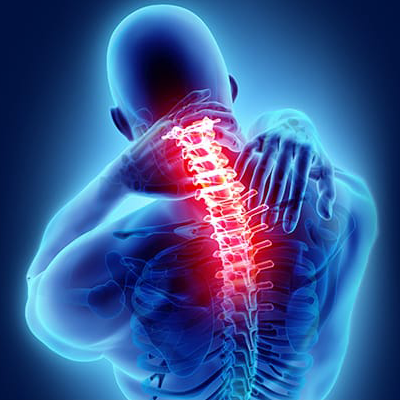
What Is Spine Care Physiotherapy?
Spine care physiotherapy is a specialised branch of physiotherapy focused on diagnosing, treating, and rehabilitating conditions affecting the cervical spine (neck), thoracic spine (mid-back), and lumbar spine (lower back).
It differs from general physiotherapy in both scope and technical depth. Effective spine pain treatment requires a thorough understanding of spinal biomechanics, intervertebral disc behaviour, nerve root function, and postural mechanics.
At Rapid Physiocare, every spine care consultation begins with a structured clinical assessment. Treatment is built around your diagnosis, not a generic protocol.
Conditions We Treat
Our physiotherapists provide back pain treatment in Singapore for a broad range of spinal conditions:
Lower back pain relief:
Acute muscle strain, ligament injury, and chronic lumbar dysfunction.
Neck pain:
Arising from postural stress, cervical strain, or nerve root involvement.
Slip disc (herniated disc):
Where displaced disc material compresses adjacent nerve tissue.
Sciatica:
Radiating nerve pain travelling from the lumbar spine into the buttock and leg.
Cervical and lumbar spondylosis:
Age-related degeneration of spinal joints, discs, and vertebrae.
Postural pain:
Discomfort driven by sustained poor spinal alignment.
Whether your condition developed after a specific incident or accumulated gradually over years, structured treatment is available.
What Causes of Spine Pain?
Spine pain rarely has a single cause. Contributing factors include:
Poor Posture:
Prolonged forward head posture and slouching compress spinal discs and facet joints.
Sedentary lifestyle:
Reduced core muscle activity leaves the lumbar spine structurally unsupported.
Disc degeneration:
Natural wear reduces disc height and the spine’s ability to absorb load.
Muscle imbalance:
Tight hip flexors, inhibited gluteal muscles, and overloaded lower back create uneven spinal loading.
Injury:
Awkward lifting, sudden twisting, or direct trauma can damage discs, ligaments, or spinal joints.
Identifying which factors are present in your case is essential. This is precisely what your initial clinical assessment is designed to establish.
Signs You Should Seek Spine Physiotherapy
Seek professional assessment if you experience:
- Back or neck pain persisted for more than two weeks.
- Numbness or tingling in the arms, hands, legs, or feet.
- Pain radiating from the lower back into the leg or from the neck into the arm.
- Morning stiffness that restricts your range of movement.
- Discomfort that worsens with prolonged sitting, standing, or forward bending.
- Pain that disrupts sleep or limits your ability to complete daily tasks.
These presentations may indicate nerve compression, disc involvement, or progressive spinal degeneration. Early assessment produces significantly better outcomes than delayed treatment.
How We Treat Spine Conditions
Spine pain treatment at Rapid Physiocare draws on a structured combination of evidence-based techniques. Every plan is calibrated to your clinical findings.
Manual Therapy
Hands-on joint mobilisation and soft tissue techniques reduce segmental stiffness, restore spinal alignment, and relieve localised pain. Myofascial release (sustained pressure applied to restricted muscle tissue) is used where muscular tension contributes to nerve irritation or limited spinal movement.
Spinal Decompression Therapy
Spinal decompression therapy applies controlled mechanical traction to gently distract spinal segments and reduce intradiscal pressure. This is particularly effective for slip disc treatment, disc bulge physiotherapy, and nerve compression treatment where a compressed or herniated disc is the primary pain driver.
Exercise Rehabilitation
Spine rehabilitation exercises are prescribed progressively to rebuild core stability, retrain movement patterns, and restore functional strength. Exercises are taught in clinic and adapted for consistent home practice between sessions.
Posture Correction Physiotherapy
Posture correction physiotherapy addresses the alignment faults that perpetuate abnormal spinal loading. This includes ergonomic assessment, postural retraining, and targeted strengthening of the deep spinal stabilisers and scapular muscles.
Electrotherapy
Electrotherapy modalities such as TENS (transcutaneous electrical nerve stimulation) and therapeutic ultrasound are used to manage pain, reduce localised inflammation, and support tissue healing in both acute and chronic spine conditions.
Benefits of Spine Care Physiotherapy
Choosing physiotherapy for back pain in Singapore at Rapid Physiocare delivers outcomes that go beyond short-term symptom relief:
- Targeted pain reduction: Address the structural source of pain, not the sensation alone.
- Restored mobility and function: Return to work, activity, and daily life without restriction.
- Non-surgical spine treatment: A structured physiotherapy programme reduces the need for surgical intervention in many presentations.
- Long-term recovery: Identify and correct the contributing factors to prevent recurrence.
- Personalised treatment: Every plan is built around your diagnosis, body, and goals.
What to Expect During Treatment
Your experience at Rapid Physiocare follows a clear, clinician-led pathway:
1. Initial Assessment
A complete clinical history and physical examination of your spine, posture, neurological function, and movement patterns.
2. Clinical Diagnosis
Findings are explained clearly, with your diagnosis presented in plain language.
3. Personalised Treatment Plan
A structured, session-by-session plan is designed based on your condition, symptom severity, and recovery objectives.
4. Progressive Sessions
Treatment intensity advances as your condition improves, with regular clinical reassessment to track measurable progress.
Recovery Timeline
Recovery varies according to the nature and duration of your condition.
Acute spine pain (onset within the past six weeks) typically responds well to early intervention. Patients with acute muscle strain or a recent disc episode often achieve meaningful improvement within a course of sessions, particularly when combined with consistent home exercise.
Chronic back pain treatment (symptoms persisting beyond three months) requires a more structured, longer-term programme. Conditions involving disc degeneration, spondylosis, or established nerve involvement take more time to resolve. Steady, measurable progress remains achievable with a committed treatment approach.
Your physiotherapist will provide a realistic recovery estimate at your first appointment and adjust the plan as your response to treatment evolves.
Spine Pain Prevention Strategies
Sustaining your recovery requires attention to daily habits:
- Adjust your workstation so your screen sits at eye-level, and your chair supports your lumbar spine.
- Take standing or walking breaks every 45 to 60 minutes during sustained desk work.
- Maintain consistency with your prescribed spine rehabilitation exercises, even when symptoms subside.
- Lift by bending at the knees and hips, keeping the load close to your body and your spine in a neutral position.
- Sleep on a supportive mattress and avoid positions that hold the spine in sustained flexion.
- Stay physically active. Walking, swimming, and clinical Pilates support spinal stability with minimal joint stress.
Why Choose Rapid Physiocare?
Rapid Physiocare is Singapore’s trusted spine specialist physiotherapy network.
45 years of combined clinical experience:
Our physiotherapists have assessed and managed a broad range of complex spinal conditions across diverse patient groups.
6 clinic locations across Singapore:
Accessible care close to where you live or work, with consistent clinical standards across every location.
Evidence-based treatment protocols:
Every technique applied reflects current best practice in spinal rehabilitation.
Personalised, patient-first care:
Treatment is built around your clinical findings and your lifestyle, not a standard template.
Frequently Asked Questions
Is spine physiotherapy painful?
Some techniques, such as deep soft tissue release or joint mobilisation, may produce temporary discomfort during the session. Your physiotherapist will always explain each technique before applying it and work within a clinically appropriate and tolerable range for you.
How many sessions will I need?
Session requirements depend on your diagnosis, symptom duration, and how your body responds to treatment. Acute conditions may resolve with a short course of sessions. Chronic or structurally complex cases typically require a longer programme. Your physiotherapist will provide a realistic estimate for your initial assessment.
Can physiotherapy replace surgery for a slip disc?
In many cases, non-surgical spine treatment through physiotherapy is effective for herniated disc presentations. Spinal decompression therapy, manual therapy, and structured rehabilitation address the underlying disc and nerve compression without surgical intervention. Surgery is considered only when a comprehensive course of conservative treatment has not produced adequate clinical improvement.
Is sciatica treatable with physiotherapy?
Sciatica treatment in Singapore at Rapid Physiocare targets the nerve compression in the lumbar spine that produces radiating leg pain. Treatment typically combines manual therapy, neural mobilisation techniques, and progressive rehabilitation exercises. Most patients achieve meaningful symptom relief with a structured treatment programme.
What should I bring to my first appointment?
Bring any relevant imaging reports (MRI or X-ray), a list of current medications, and wear or bring comfortable clothing that allows your physiotherapist access to your back and lower limbs.
Can I continue working during treatment?
In most cases, yes. Your physiotherapist will provide ergonomic recommendations and, where necessary, modified activity guidelines to support your recovery during working hours without compromising your treatment progress.
What is the difference between a physiotherapist and a spine specialist?
A spine specialist physiotherapist has specific clinical training and experience in assessing and treating spinal conditions. At Rapid Physiocare, our physiotherapists combine spinal-specific clinical expertise with hands-on, evidence-based treatment across a full range of cervical, thoracic, and lumbar presentations.
When should I seek immediate medical attention instead of physiotherapy?
Seek urgent medical care if you experience loss of bladder or bowel control, severe progressive leg weakness, or spinal pain following significant trauma. For all other presentations, early physiotherapy assessment is the recommended first step.