
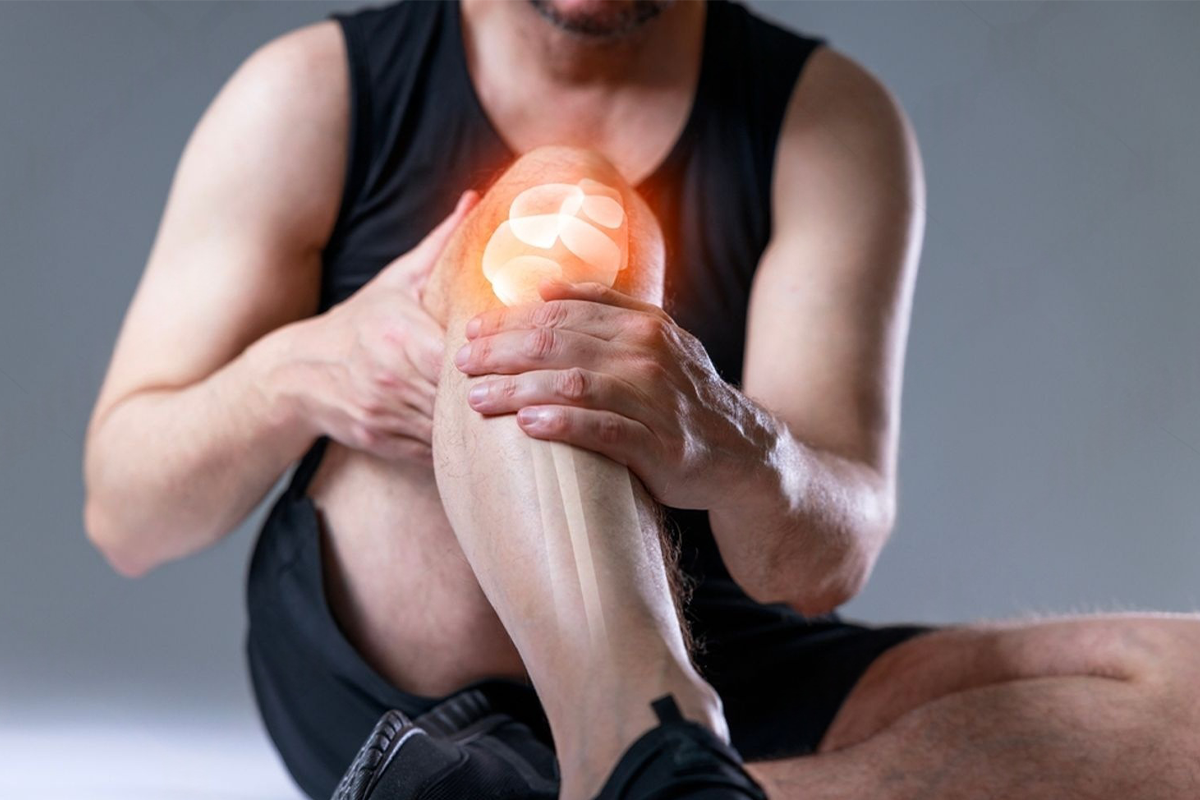
Types of Knee Injuries: Causes, Symptoms, and How Physiotherapy Helps
What Are Knee Injuries?
Knee injuries refer to damage affecting the bones, ligaments, cartilage, tendons, or surrounding soft tissues of the knee joint. The knee is one of the most complex and heavily used joints in the body. It absorbs body weight, supports walking and climbing stairs, and enables sports movements such as running and jumping.
Because of this constant demand, the knee is vulnerable to trauma, overuse, and degeneration. A minor twist during sports, prolonged squatting at work, or age-related wear can all lead to injury. If ignored, symptoms often worsen and affect daily activities. Early physiotherapy for knee injuries plays a crucial role in restoring movement, reducing pain, and preventing long-term complications.
Why Are Knee Injuries So Common?
The knee works like a hinge with added rotation. It relies on ligaments for stability, muscles for control, and cartilage for smooth movement. When any of these structures fail to function properly, pain grows.
Common contributing factors include:
- Sudden twisting during sports such as badminton or football
- Direct impact from falls or road traffic accidents
- Repetitive strain from climbing stairs or squatting
- Weak thigh muscles reduce joint support
- Age-related cartilage degeneration
In Singapore and across Asia, many adults spend long hours sitting and then engage in weekend sports. This sudden change in activity increases the risk of knee joint injuries.
What Are the Main Types of Knee Injuries?
Understanding the different types of knee injuries helps determine the right treatment approach.
1. Ligament Injuries (ACL, MCL, PCL)
Ligaments connect bone to bone and stabilize the knee. The most well-known is the anterior cruciate ligament (ACL). An ACL injury often occurs during sudden pivoting movements. The medial collateral ligament (MCL) is commonly injured during a side impact.
Symptoms:
- Sudden pain with a popping sound
- Swelling within hours
- Knee instability or “giving way”
- Difficulty bearing weight
How physiotherapy helps:
Physiotherapy improves stability through quadriceps and hamstring strengthening. Proprioceptive training enhances balance and joint awareness. Post-surgical rehabilitation after ACL reconstruction is carefully structured to protect graft healing while restoring mobility.
2. Meniscus Tears
The meniscus is a C-shaped cartilage that cushions the knee. A meniscus tear may occur during twisting movements or gradual degeneration in older adults.
Symptoms:
- Locking or catching sensation
- Pain when squatting
- Swelling
- Limited knee bending
How physiotherapy helps:
Manual therapy improves joint mobility. Targeted strengthening reduces stress on cartilage. Controlled exercises restore function without aggravating the tear. Many patients recover without surgery when guided appropriately.
3. Patellar Tendinitis (Jumper’s Knee)
This condition involves inflammation of the patellar tendon connecting the knee cap to the shin bone. It is common among athletes and individuals who frequently climb stairs.
Symptoms:
- Pain below the kneecap
- Tenderness when pressing the tendon
- Increased discomfort during jumping or running
How physiotherapy helps:
Eccentric strengthening exercises gradually load the tendon to promote healing. Electrotherapy may be used to reduce inflammation. Load management prevents recurrence.
4. Knee Osteoarthritis
Knee osteoarthritis is a degenerative condition where cartilage gradually wears down. It is more common in individuals over 50, but can appear earlier in those with previous injuries.
Symptoms:
- Morning stiffness
- Grinding sensation
- Swelling after activity
- Progressive reduction in movement
How physiotherapy helps:
Strengthening surrounding muscles reduces joint load. Manual therapy improves joint mechanics. Education on activity modification supports long-term joint protection. Evidence shows exercise therapy is first-line management for knee osteoarthritis.
5. Bursitis
Bursae are small fluid-filled sacs that reduce friction in joints. Knee bursitis occurs when these sacs become inflamed due to prolonged kneeling or repetitive strain.
Symptoms:
- Localized swelling
- Warmth over the knee
- Pain during kneeling
How physiotherapy helps:
Activity modification and guided stretching reduce irritation. Myofascial release, a hands-on technique that reduces muscle tightness, helps relieve surrounding tension. Strengthening improves joint support.
What Symptoms Should You Not Ignore?
Many patients delay care until pain becomes severe. Early assessment improves outcomes significantly.
Seek evaluation if you notice:
- Persistent swelling
- Instability while walking
- Clicking or locking sensations
- Reduced knee range of motion
- Pain lasting more than one week
Ignoring early symptoms increases the risk of chronic knee pain and secondary hip or ankle strain.
How Does Physiotherapy Treat Knee Injuries?
Physiotherapy treatment for knee injury is not limited to pain reduction – it focuses on restoring strength, mobility, and joint stability at every stage of recovery. Through targeted exercises, manual therapy, and movement correction, physiotherapy helps reduce inflammation, improve function, and prevent future knee problems.
A structured knee injury rehabilitation program typically includes:
Pain Management
Electrotherapy, soft tissue techniques, and gentle mobilization reduce inflammation and discomfort. The goal is to reduce reliance on tablets and promote natural healing.
Mobility Restoration
Joint mobilization techniques improve flexibility and reduce stiffness. Controlled stretching prevents long-term restriction.
Strength and Stability Training
Weak quadriceps and gluteal muscles contribute to knee instability. Strengthening restores proper load distribution.
Proprioception and Balance Training
After ligament injuries, joint awareness reduces. Balance exercises retrain neuromuscular control and prevent reinjury.
Functional Rehabilitation
Patients gradually return to stair climbing, sports, or work tasks under supervision.
This evidence-based progression improves outcomes and reduces recurrence rates.
How Long Does Recovery Take?
Recovery depends on injury type and severity:
- Mild ligament sprain: 3 to 6 weeks
- Meniscus tear (conservative care): 6 to 12 weeks
- Post-ACL surgery rehabilitation: 6 to 9 months
- Knee osteoarthritis: Ongoing management with structured exercise
Consistency with physiotherapy significantly improves recovery speed and long-term results. For patients recovering from ligament damage, especially ACL tears, reviewing a detailed recovery timeline for torn ACL injuries provides clarity on each rehabilitation phase. Knowing what to expect improves compliance and confidence throughout recovery.
Can Knee Injuries Be Prevented?
Yes, knee injuries can often be prevented with proper muscle conditioning, movement awareness, and early correction of biomechanical faults. Weak hip stabilisers and poor lower limb alignment increase joint stress over time, placing excessive strain on ligaments and cartilage. Following structured knee injury prevention tips can significantly reduce the risk of both acute injuries and long-term degenerative changes.
Patients can lower their risk by:
- Maintaining a healthy body weight
- Strengthening thigh and hip muscles
- Wearing supportive and activity-appropriate footwear
- Avoiding sudden increases in sports intensity or training load
Consistent preventive habits not only protect the knee joint but also improve overall movement efficiency and long-term joint health.
When Should You See a Physiotherapist?
Consult a physiotherapist if knee pain limits daily activities, persists beyond one week, or causes instability. Early intervention prevents complications and supports faster recovery.
At Rapid Physiocare, assessment includes movement analysis, strength testing, and personalized rehabilitation planning. Treatment is tailored, not generic. Every knee injury requires a precise approach.
Final Thoughts
Types of knee injuries vary from ligament tears to degenerative conditions, but all share one common truth: early and structured physiotherapy improves outcomes. Ignoring symptoms delays healing and increases long-term joint stress.
A precise assessment, evidence-based treatment plan, and guided progression restore strength and stability safely. If knee discomfort is affecting your mobility or confidence, seek professional evaluation.
Book a consultation at Rapid Physiocare today and take the first step toward lasting knee health.
Frequently Asked Questions (FAQs)
1. What is the most common type of knee injury?
Ligament sprains and meniscus tears are among the most common knee injuries, especially in sports. Overuse injuries such as patellar tendinitis are also frequent. Proper diagnosis determinesthe treatment strategy.
2. Is physiotherapy painful for knee injuries?
Physiotherapy is designed to work within comfort limits. Mild soreness may occur during strengthening exercises, but techniques are adjusted to avoid aggravating pain.
3. Can knee injuries heal without surgery?
Many knee joint injuries improve with structured physiotherapy alone. Surgery is usually reserved for severe ligament tears or persistent mechanical locking.
4. How soon should physiotherapy begin after injury?
Early intervention is recommended once acute swelling reduces. Prompt rehabilitation prevents stiffness and muscle weakness.
5. What exercises are used in knee rehabilitation?
Exercises include quadriceps strengthening, hamstring activation, balance drills, and controlled mobility training tailored to healing stages.
6. Can physiotherapy help knee osteoarthritis?
Yes. Exercise therapy is a first-line treatment for knee osteoarthritis. Strengthening reduces joint load and improves mobility.
7. How do I know if my knee injury is serious?
Severe swelling, inability to bear weight, instability, or locking require professional assessment. Early evaluation prevents complications.
8. Will knee injuries return after recovery?
Recurrence risk decreases significantly when patients complete full rehabilitation and follow preventive exercises consistently.
Tags : Physiotherapy for knee injury, Types of knee injury