
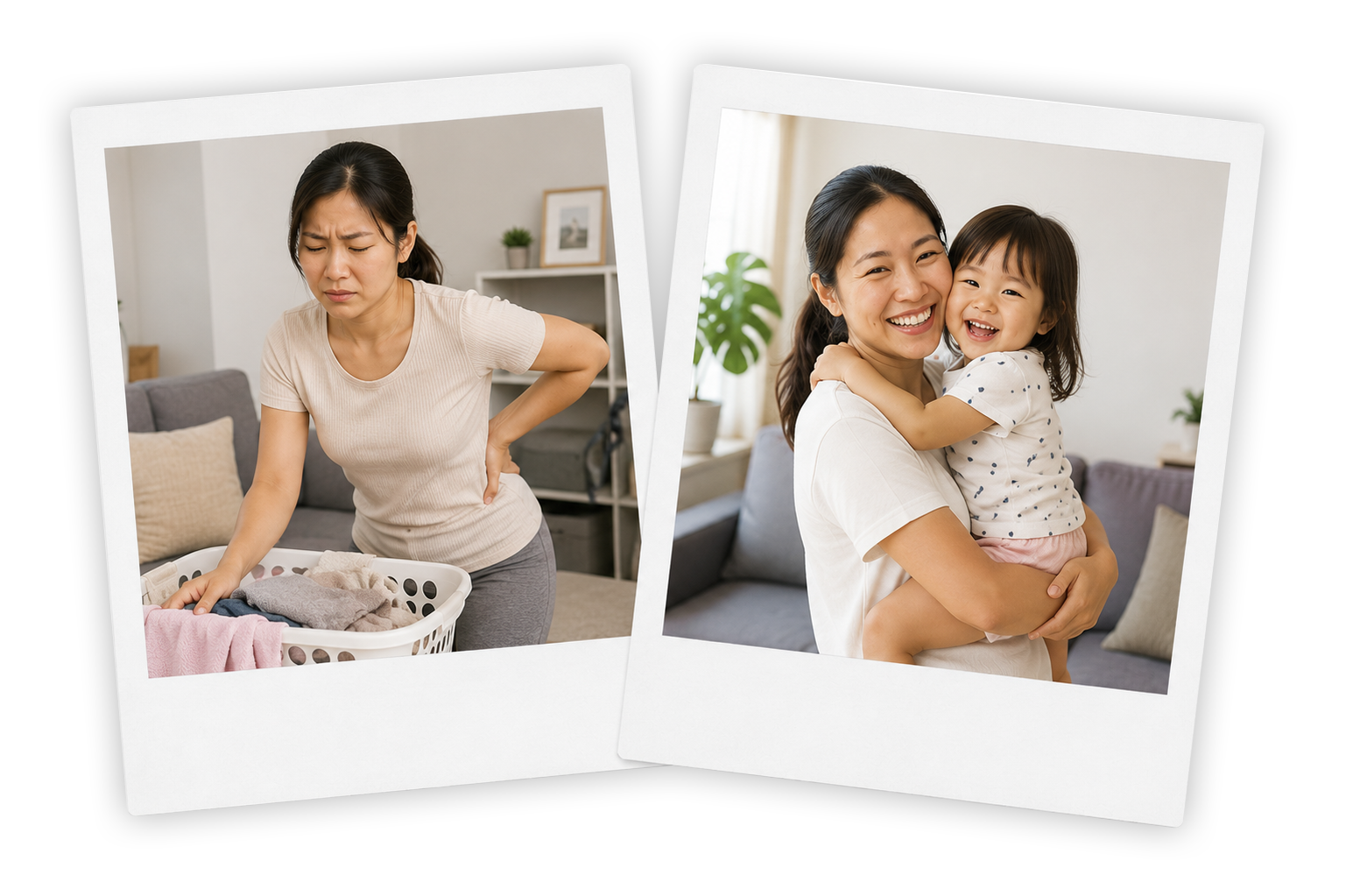
Postpartum Mother Recover from Chronic Lower Back Pain and Return to Active Lifestyle

Patient Overview

Patient Profile

  • Mother of a young child (postpartum)
  • Regularly involved in childcare and household responsibilities
  • Daily activities includes carrying and bathing her daughter, cooking, cleaning, prolonged standing, and frequent lifting.

The Challenge

Following an acute episode of lower back pain in November 2025, the patient experienced persistent pain that significantly affected her ability to care for her young daughter and complete everyday activities.
Medical Investigations

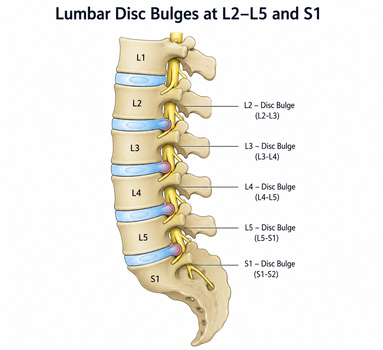
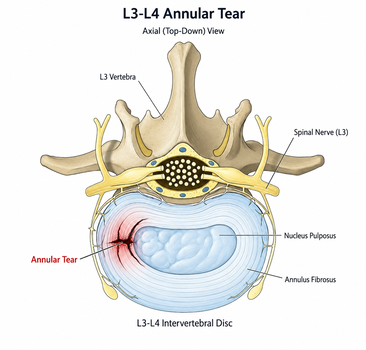
Although imaging explained part of the problem, the patient’s symptoms were also influenced by reduced movement confidence, muscle guarding, decreased core stability, and the physical demands of caring for a young child.

Simple daily tasks became increasingly difficult.

Lumbar disc bulges at L2-L5 and S1
L3-L4 annular tear

She experienced

  • Persistent lower back pain and stiffness
  • Muscle spasms throughout the thoracic and lumbar spine
  • Difficulty carrying her daughter
  • Pain when bending or squatting
  • Discomfort sitting on the floor
  • Difficulty standing for extended periods while cooking or completing household chores
  • Reduced hip mobility
  • Poor lumbar-pelvic stability

These limitations affected not only her physical function but also her confidence in performing normal parenting activities.

Clinical Assessment

Our physiotherapy assessment focused on understanding both the structural diagnosis and the functional factors contributing to her ongoing pain.
The assessment identified:

  • Reduced hip mobility
  • Poor core muscle activation
  • Lumbar-pelvic instability
  • Movement compensation caused by pain
  • Reduced tolerance for lifting and carrying
  • Difficulty performing repetitive household tasks

Rather than focusing solely on pain relief, the goal was to restore efficient movement patterns and gradually rebuild strength so she could safely return to the physical demands of motherhood.

Our Treatment Approach

Because her symptoms had developed over several months and involved both pain and movement dysfunction, rehabilitation required a staged, evidence-based approach. Over approximately 35 to 40 physiotherapy and clinical Pilates sessions, treatment progressed from pain management to functional rehabilitation and eventually strength and conditioning.

Phase 1

Pain Relief and Early Recovery

The first stage focused on reducing pain, muscle guarding, and inflammation while restoring comfortable movement.

Treatment included:

  • High-voltage therapy
  • Interferential therapy
  • Therapeutic ultrasound
  • Dry needling
  • Manual therapy

These treatments were combined with gentle mobility exercises to reduce stiffness and improve confidence in movement.

Phase 2

Restoring Core Stability and Movement Control

As pain improved, treatment shifted toward rebuilding the body’s natural support system.

Rehabilitation focused on:

  • Deep core muscle activation
  • Lumbar-pelvic stability training
  • Diaphragmatic breathing
  • Lateral costal breathing
  • Hip mobility exercises
  • Spinal mobility exercises

Breathing retraining played an important role in improving trunk control and reducing unnecessary muscle tension during everyday movements.

Phase 3

Progressive Strength Development

Once movement quality improved, strengthening exercises were gradually introduced. The rehabilitation programme progressed to include

Strengthening of:

  • Hip muscles
  • Lower limbs
  • Upper body
  • Postural muscles
  • Core muscles

Exercise intensity was gradually increased according to the patient’s progress while ensuring symptoms remained well-managed.

Phase 4

Functional Retraining

One of the foremost important goals was helping the patient perform real-life tasks without aggravating her symptoms. Treatment therefore, incorporated

Functional Training:

  • Safe lifting techniques
  • Carrying her child
  • Squatting mechanics
  • Bending strategies
  • Movement education
  • Ergonomic advice for childcare and household activities

The patient also followed a structured home exercise programme to reinforce improvements between clinic visits.

Rehabilitation Timeline

1

Weeks 1-4

Focus on reducing pain, relieving muscle spasms, improving mobility, and restoring comfortable movement.

2

Weeks 5-12

Progressive core activation, breathing retraining, hip mobility, and spinal stability exercises.

3

Weeks 13 onwards

Advanced strengthening, functional retraining, increased exercise tolerance, and preparation for higher-level activities, including running.

Outcomes

Following completion of approximately 35 to 40 sessions, the patient achieved significant improvements across multiple areas of daily function.

She experienced

  • Significant reduction in lower back pain
  • Less stiffness throughout the lumbar spine
  • Improved hip mobility
  • Better core stability
  • Greater confidence in movement
  • Increased strength throughout the body

More importantly, she regained the ability to participate more comfortably in her everyday life.

She was able to

  • Carry her daughter for longer periods with much less discomfort
  • Complete household chores more comfortably
  • Tolerate prolonged standing
  • Travel with improved comfort
  • Return to regular exercise
  • Progress towards running-specific conditioning

By the end of rehabilitation, treatment had progressed beyond pain management into higher-level strength development, helping prepare her body for long-term resilience and future physical activity. The patient reported feeling noticeably stronger, more confident, and pleasantly surprised by how much activity she could complete without aggravating her back. If you’re experiencing symptoms similar to this patient’s, learn more about our lower back pain physiotherapy services or book an assessment with our team.

Why This Case Matters

Lower back pain following pregnancy is often influenced by much more than spinal imaging findings alone. Successful rehabilitation frequently requires a combination of:

  • Pain management
  • Core rehabilitation
  • Breathing retraining
  • Progressive strengthening
  • Functional movement retraining
  • Education and long-term self-management

This case demonstrates how a structured physiotherapy and clinical Pilates programme can help patients regain confidence, improve function, and return to the physical demands of parenting and exercise.

Meet the Physiotherapist Behind This Patient's Recovery

This rehabilitation programme was planned and delivered by Aparna Shah, one of the experienced physiotherapists at Rapid Physiocare. Throughout the patient’s recovery, the treatment plan was tailored to her symptoms, functional goals, and progress, combining evidence-based physiotherapy techniques with Clinical Pilates to help restore strength, mobility, and confidence in movement.

Untitled-2

About Aparna Shah

Qualifications: Bachelor of Physiotherapy (BPT) & Master of Health Science (MHS)
Clinical Interests: Specialises in musculoskeletal rehabilitation, Clinical Pilates, functional recovery for orthopaedic, post-surgical, and women’s health conditions.
Experience: 20 years of clinical experience

Rapid Physiocare Logo

OPERATING HOURS

  • MON – FRI: 8:00am – 7:00pm
  • SAT: 8:00am – 7:00pm
  • SUN : 9:00am – 6:00pm
Facebook     YouTube    Instagram
For Emergency/ Public Holidays
Please call +65 9654 0427

OUR LOCATIONS

Rapid Physiocare@ Tanjong Pagar
10 Anson Road 10-26
International Plaza
Singapore 079903


Rapid Physiocare@ Novena
8 Sinaran Drive 02-02/03
Novena Specialist Center
Singapore 307470


Rapid Physiocare@ Paya Lebar
1 Paya Lebar Link #01-06
PLQ 2, Paya Lebar Quarter
Singapore 408533


Rapid Physiocare@ Kovan
988 Upper Serangoon Rd,
#01-01 Stars of Kovan
Singapore 534733


Rapid Physiocare@ Buona Vista
9 North Buona Vista
Drive #01-20,
The Metropolis Tower 2
Singapore 138589


Rapid Physiocare @ Robertson Quay
22 Martin Rd, #05-01,
Singapore 239058