
Frozen Shoulder Physiotherapy Treatment in Singapore
Frozen shoulder triggers progressive pain, stiffness, and restricted movement that can interfere with daily life. At Rapid Physiocare, we offer structured frozen shoulder physiotherapy treatment focused on pain relief, mobility restoration, and long-term shoulder function. Every treatment plan is guided by clinical assessment and delivered by licensed physiotherapists.
What Is Frozen Shoulder (Adhesive Capsulitis)?
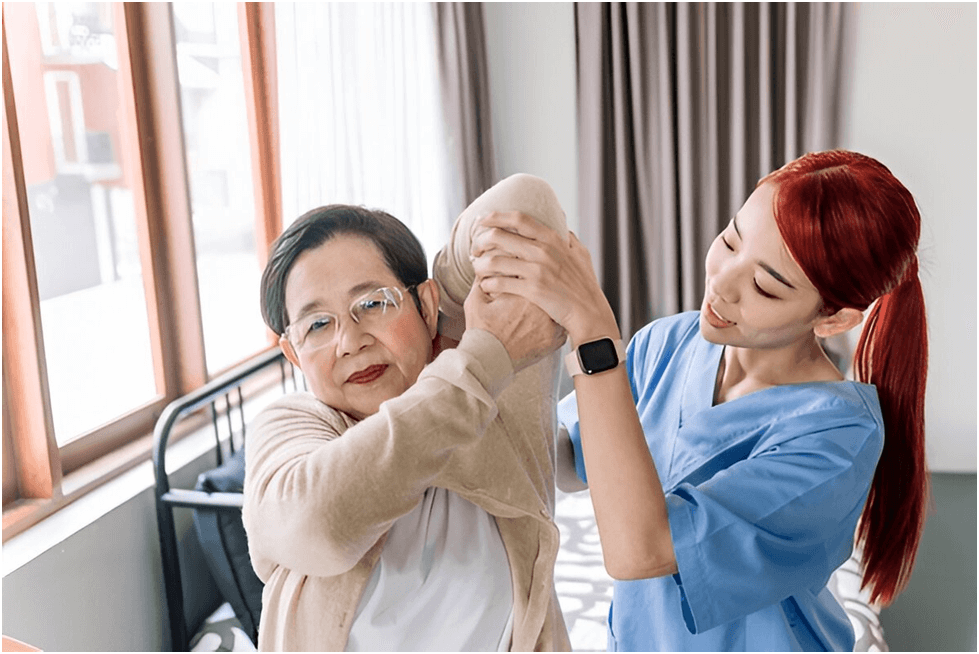
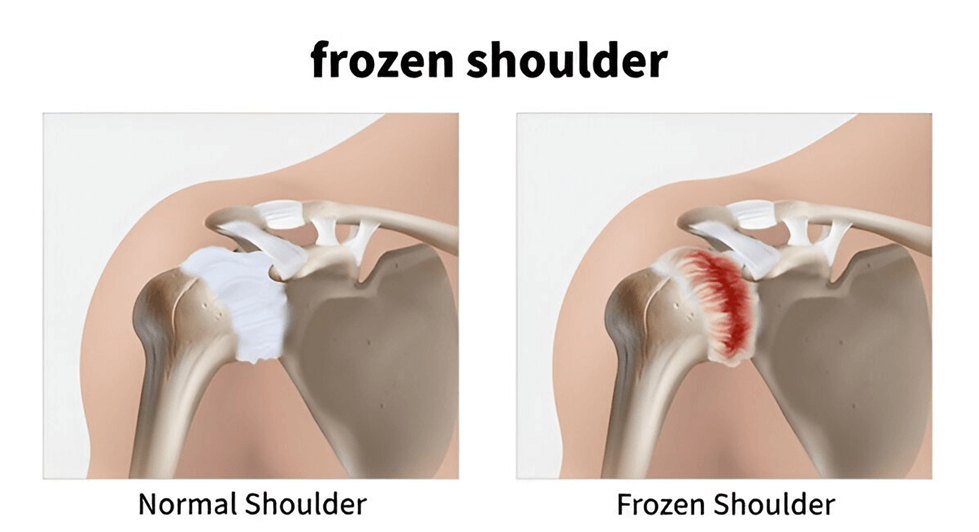
Frozen shoulder is a condition where the shoulder joint capsule becomes inflamed, thickened, and tight, leading to pain and progressive loss of movement. Over time, the capsule stiffens, restricting normal shoulder motion.
This condition often develops gradually and may last from 12 to 24 months if left untreated. Early physiotherapy can significantly reduce pain, shorten recovery time, and improve functional outcomes.
Frozen shoulder is commonly associated with:
- Diabetes
- Thyroid disorders
- Prolonged shoulder immobilisation
- Post-surgical shoulder stiffness
- Previous shoulder injury
Common Symptoms of Frozen Shoulder
Patients with frozen shoulder often experience the following:
- Persistent shoulder pain, especially at night
- Difficulty lifting the arm overhead or behind the back
- Progressive stiffness and reduced shoulder range of motion
- Pain with dressing, grooming, or reaching activities
- Sleep disturbance due to shoulder discomfort
Symptoms may vary depending on the stage of frozen shoulder.
The Three Stages of Frozen Shoulder
1. Freezing Stage (Painful Stage)
This early stage involves increasing pain and gradual loss of movement. Pain is often worse at night and with shoulder movement.
2. Frozen Stage (Stiffness Stage)
Pain may reduce slightly, but stiffness becomes more pronounced. Shoulder movement is significantly restricted, affecting daily activities.
3. Thawing Stage (Recovery Stage)
Shoulder mobility gradually improves as stiffness reduces. With appropriate physiotherapy, functional movement returns progressively.
Understanding the stage of your condition allows physiotherapists to modify the treatment intensity and techniques.
Causes and Risk Factors of Frozen Shoulder
Frozen shoulder can develop without a clear cause, but common risk factors include:
- Diabetes (significantly higher incidence)
- Thyroid dysfunction
- Shoulder injury or surgery
- Prolonged immobilisation
- Age between 40 and 60 years
- Female gender
Early assessment helps identify contributing factors and prevents secondary complications.
Methods of Treatment for Frozen Shoulder
Frozen shoulder physiotherapy treatment at Rapid Physicare follows a stage-specific, evidence-based approach. Treatment methods are selected based on the phase of the condition, pain severity, and functional limitation. This ensures safe recovery while preventing unnecessary aggravation.
Stage-Wise Frozen Shoulder Treatment Approach
Frozen shoulder progresses through three clinical stages. Each stage requires a different therapeutic focus.
| Stage | Main Symptoms | Physiotherapy Focus | Treatment Methods |
|---|---|---|---|
| Freezing Stage | Increasing pain, progressive stiffness | Pain control, inflammation reduction, movement protection | Gentle manual therapy, pain-free mobility exercises, electrotherapy |
| Frozen Stage | Reduced pain, marked stiffness | Restore joint mobility safely | Joint mobilisation, capsular stretching, guided exercises |
| Thawing Stage | Gradual return of movement | Strength, function, long-term recovery | Progressive strengthening, functional rehabilitation |
Full Shoulder Assessment
Treatment begins with a detailed clinical assessment to confirm the diagnosis and identify the stages of frozen shoulder. This assessment includes evaluation of:
- Active and passive shoulder range of motion
- Pain location, intensity, and movement pattern
- Joint capsule and soft tissue restrictions
- Functional limitations in daily activities
- Medical history and contributing conditions such as diabetes or previous injury
This process allows the physiotherapist to design a personalized treatment plan while minimizing the risk of symptoms flare-ups.
Manual Therapy Techniques
Manual therapy is a core method of frozen shoulder physiotherapy treatment and focuses on improving joint mobility and reducing stiffness. Techniques are applied gradually and always within patient tolerance. These may include:
- Glenohumeral joint mobilisation to improve capsule movement
- Capsular stretching to address joint tightness
- Myofascial release to reduce soft tissue tension
- Scapular mobilisation to improve shoulder mechanics
Manual therapy is adjusted according to the stages of frozen shoulder and pain response.
Therapeutic Exercise Rehabilitation
Exercise-based rehabilitation is essential for restoring shoulder function and maintaining improvements achieved through manual therapy. Exercises are introduced progressively and may include:
- Gentle range-of-motion exercises
- Stage-appropriate stretching protocols
- Rotator cuff strengthening
- Scapular stabilisation exercises
Exercises are tailored to each stage of recovery and modified to avoid excessive pain while promoting gradual mobility gains.
Electrotherapy and Pain Management
Pain management modalities may be used as supportive treatment when pain limits movement or participation in exercise. These may include:
- Ultrasound therapy
- Interferential therapy
- TENS (Transcutaneous Electrical Nerve Stimulation)
Electrotherapy supports pain reduction and tissue healing but is always combined with active physiotherapy for long-term improvement.
Frozen Shoulder Massage Treatment
Soft tissue techniques and therapeutic massage are integrated to support movement restoration. Massage therapy helps to:
- Reduce muscle guarding and protective tension
- Improve local circulation
- Enhance tissue flexibility
- Prepare the shoulder for mobilisation and exercise
Massage is used as an adjunct to physiotherapy and does not replace active treatment.
Home Exercise Programme and Patient Education
Long-term recovery from frozen shoulder depends on consistency beyond the clinic. Patients will receive:
- Clear, structured home exercise instructions
- Postural and activity modification guidance
- Pain management strategies
- Realistic expectations regarding recovery timelines
Education empowers patients to actively participate in treatment and reduces the risk of prolonged stiffness or recurrence.
How Long Does Frozen Shoulder Recovery Take?
Recovery timelines vary depending on:
- The stage of frozen shoulder
- Underlying medical conditions
- Treatment consistency
- Patient adherence to exercises
With structured frozen shoulder physiotherapy treatment, many patients experience meaningful improvement within 8 to 12 weeks, although full recovery may take several months.
Early intervention leads to better outcomes.
Who Should Consider Physiotherapy for Frozen Shoulder?
Physiotherapy is recommended for:
- Individuals with shoulder stiffness and pain
- Patients diagnosed with adhesive capsulitis
- Post-surgical shoulder stiffness
- Diabetic patients with shoulder restriction
- Individuals seeking non-surgical frozen shoulder treatment
Why Choose Rapid Physiocare for Frozen Shoulder Treatment?
- Experienced musculoskeletal physiotherapists
- Evidence-based, stage-specific treatment protocols
- Individualised care plans
- Modern rehabilitation facilities
- Patient education and long-term recovery focus
- Trusted physiotherapy clinic in Singapore
Our goal is not temporary relief but focusingon lasting shoulder mobility and function.
Book Frozen Shoulder Physiotherapy Session at
Rapid Physiocare
Frozen shoulder does not resolve faster by waiting. Early, guided physiotherapy reduces pain, restores movement, and prevents long-term stiffness.
Frequently Asked Questions
Can frozen shoulder be cured completely?
Yes. Most patients achieve near-complete recovery with structured physiotherapy. Early treatment improves outcomes and reduces recovery duration.
Is physiotherapy painful for frozen shoulder?
Some discomfort may occur, especially in early stages. Treatment is always adjusted to your tolerance and focuses on gradual improvement.
How many physiotherapy sessions are required?
This depends on severity and stage. Many patients require 8 to 16 sessions alongside a home exercise program.
Is frozen shoulder massage enough to treat the condition?
Massage alone is insufficient. It supports pain relief but must be combined with joint mobilization and exercise therapy.
Can frozen shoulder recover without treatment?
It may resolve over time, but recovery can take up to two years and may leave residual stiffness without physiotherapy.
Is frozen shoulder common in diabetic patients?
Yes. Diabetic individuals have a significantly higher risk and may experience more severe stiffness.
Should I avoid shoulder movement during frozen shoulder?
No. Complete rest can worsen stiffness. Controlled, guided movement under physiotherapy supervision is essential.